Positive Change

And Just Like That, the patriarchy is still pulling the strings by Nina Gbor

Credit: Vogue

It's not hyperbole to say SATC series was one of the most culturally influential shows, particularly on women. Even though it ended in 2004, its influence on culture - style, women, fashion, relationships, people, etc is undeniable. For me, it was only about the style. When the reboot, And Just Like That was announced in 2021, it nearly broke the internet. Most of the episodes of the first season have aired and the momentum online hasn’t stopped.  

Credit: Forbes

I won’t bother going over all the controversial hot topics from recent episodes because they’ve been thoroughly covered - from AJLT’s attempt at diversity, cast feuds, inclusion, cultural appropriation, LGBTQI, etc and then there’s ageing. The show has gotten a lot of praise for addressing the issue of women and ageing head-on. It’s rare in Hollywood and mainstream to feature women in their 50s with grey hair and wrinkles as main characters, amp up their style and tell their stories.
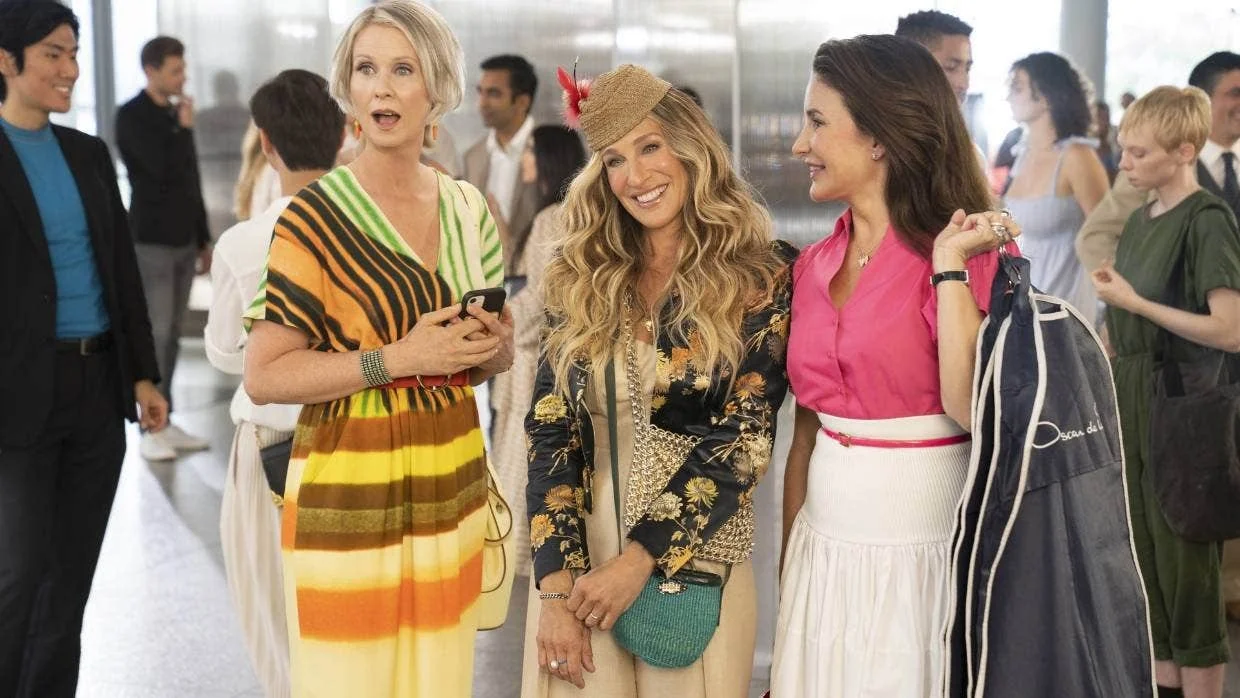
Credit: Stuff

 A basic tenet of patriarchy  

Anyone familiar with the whole patriarchal ideals on women knows that for centuries the value of a woman was primarily based on her youth, her beauty or both. These standards still very much exist in modern society but the momentum of movements like feminist, humanitarian and equality have moved the needle a little bit in the last few decades. People are far more aware of these dynamics than ever before.

The double standards, lack of equity, misogyny, oppression of women and so on are seen in every industry. As women get older and therefore no longer fit into the super narrow confines of these shallow standards, their value in society according to the patriarchal system diminishes and they become less visible. As women are commodified in this way and as they age, it gets harder for some women to find employment, get financial opportunities, date, maintain self-esteem or even be treated with basic dignity and respect by society.

Patriarchy influence on media and culture

The tv, film and media often have the power to shape cultural perceptions, shift narratives and attitudes towards gender for better or for worse. Women occupy only 27% of senior executive leadership positions in media and entertainment according to McKinsey Consulting.

It’s not surprising that the perception of women continues to be skewed in the direction of inequality and double standards. Film and television for as long as I can remember has been flooded with patriarchal commodification standards of and towards women. These standards have seeped into our personal and collective subconscious. Even as women or people from marginalised groups, it takes effort to unlearn some of these biases. In some cases, it requires an exorcism. Which is why the patriarchy is still puling the strings by making women dislike parts of themselves.

AJLT is no exception.
Credit: Grazia Magazine

Desperately trying to seem cool (young)

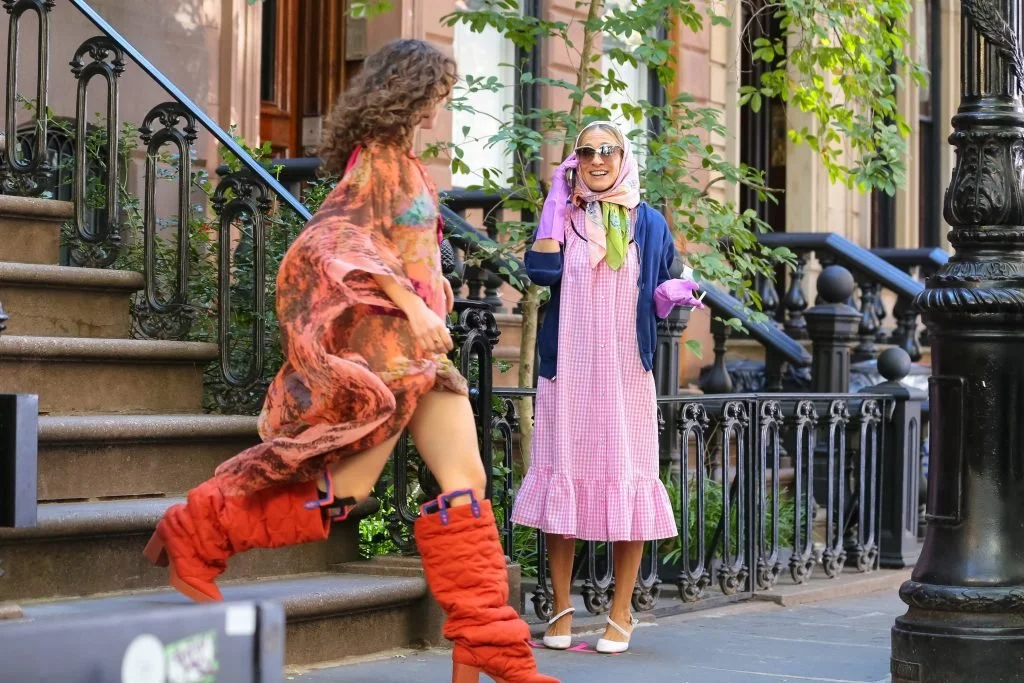
As much as AJLT has appeared to embrace ageing in some contexts, it’s still following the patriarchal playbook. In episode 8, we meet Carrie’s new young neighbour who keeps Carrie awake in the middle of the night with loud noises with her friends. Carrie frantically asks them to stop the noise. Then Carrie is devastated because she’s worried she won’t be seen as cool. Not simply because of a reasonable fear of having bad blood with a new neighbour (which would be totally understandable) but for not no longer being cool.

The connotation was that she wanted to come off as someone in her 20s(ish) who also stays up all night. She even lies to her neighbour the following day insisting that she had been awake writing in the middle of the night and the noise only bothered her cause she was writing. As opposed to the truth that she was trying to sleep because apparently sleeping in the middle of the night (instead of partying / hanging out) implies she’s old. And it’s apparently taboo to be age. Carrie desperately trying to fit into this mould signals other ways that women still need to fit into a standard to feel validated. It might not even be a conscious thing but it’s there. That old patriarchal notion of a woman being validated by her youth definitely played itself out here albeit in a micro way. But the implication is big. 

Credit: Title Press

The implication

Carrie could have fully embraced where she is. There’s nothing wrong with going to bed early and there’s absolutely nothing wrong with going to bed early cause you’re older. That’s life. We go through different stages and should not feel shame for it or any other behaviours that people do as they move through stages of life.

The more we normalise them and not vilify someone for doing what is natural, the sooner we can realise more equality for women and other people. In other words, stop making older women wrong all the time and younger women right all the time. They’re both valid, they’re both equally prone to right and wrong.

I’m sure it wasn’t the intention of the show but it’s just another way of seeing the lingering patriarchal hold on women, how it manifests unconsciously or otherwise and how we perpetuate it.  

Where to go from here

Being the culturally influential show that it is, there’s an opportunity to embrace more than the physical side (grey hair and wrinkles) of ageing. It can go full circle in normalising the psychological attitudes and behaviours of ageing too. It will go a long way in shifting the status quo with women and the people that have criminalised women for ageing.

I’ve been inspired by the style of the series courtesy show stylists, Patricia Field and now Molly Roger. And I don’t want to join the ranks of people criticising the show for sport. I’m not even sure this is a criticism as opposed to an observation that we have to be vigilant with our minds on how streams of patriarchal ideals make us feel about ourselves when we’re not looking. And how we perpetuate them in our lives or the lives of other women. With all the years of service given, experience, wisdom and knowledge accumulated over years, women getting older are to be treated with plenty of RESPECT.

We have to undo these brainwashed ideals in all areas of life and stop making ageing a crime in media, entertainment and everyday life.

 ♥ Nina Gbor

Insta: @eco.styles

Resolving the waste crisis by Nina Gbor

Eco Styles Nina Gbor CharityBay Sidewalk furniture 1

Image credit: Chantel Bann

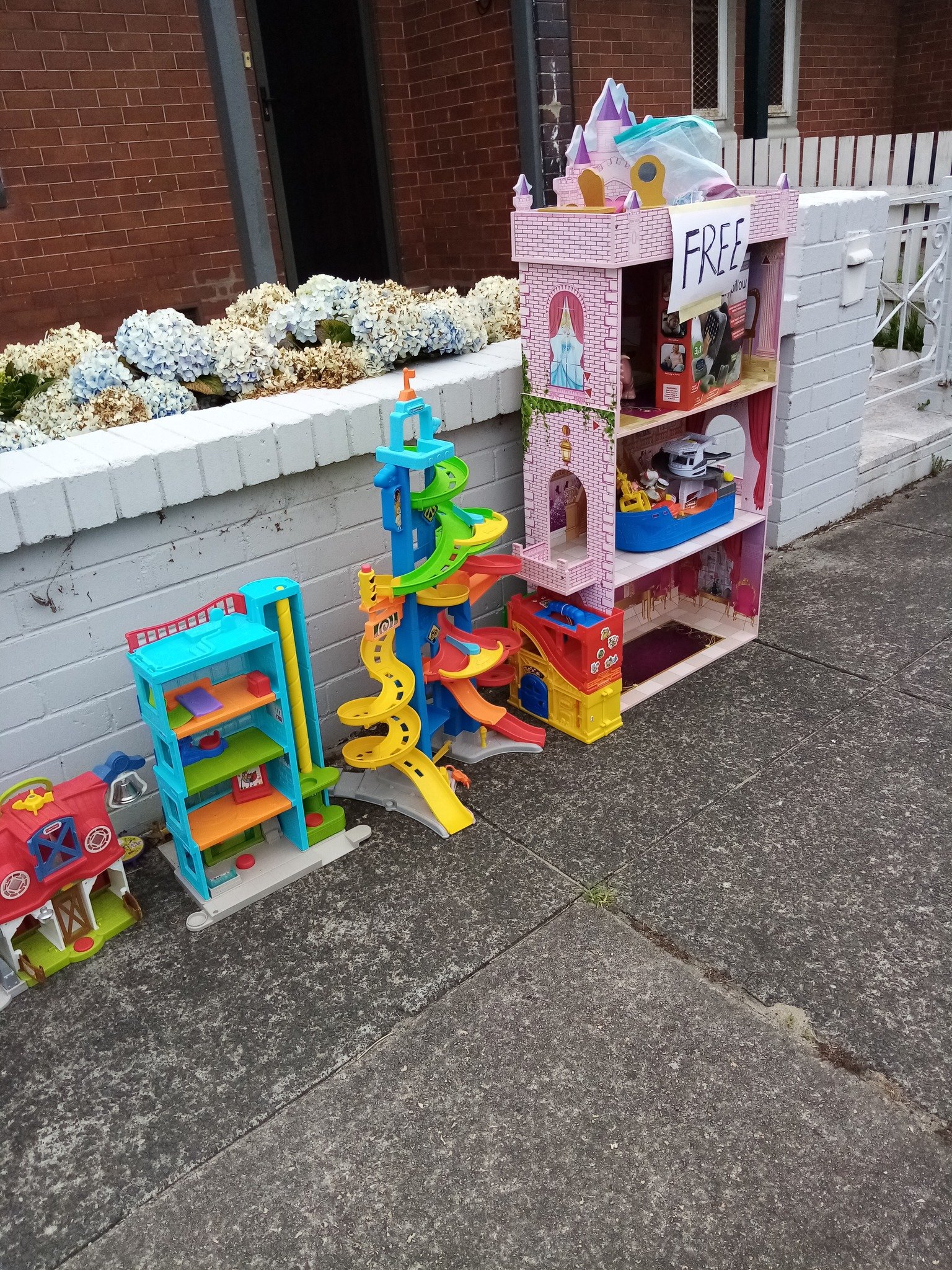
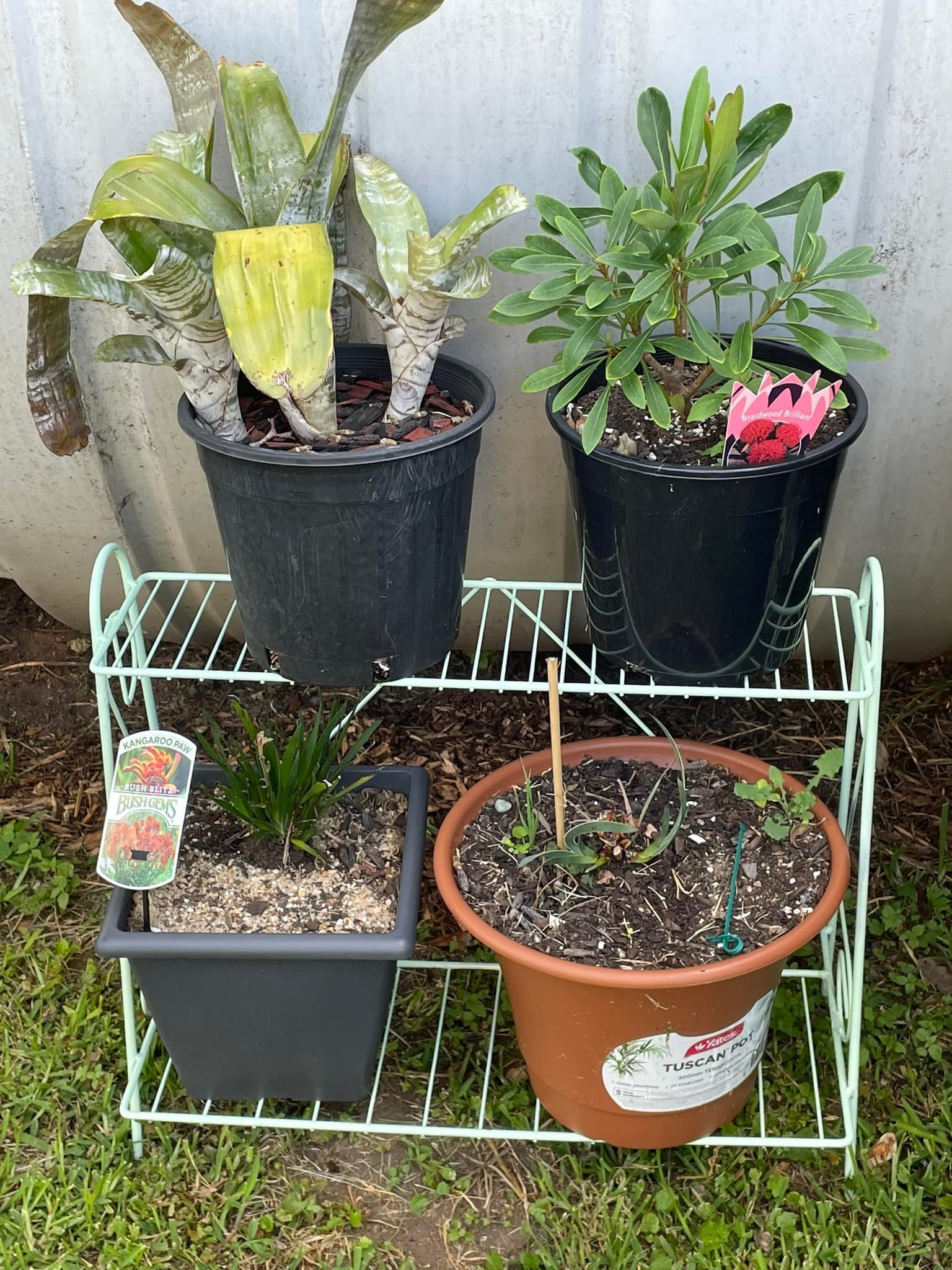
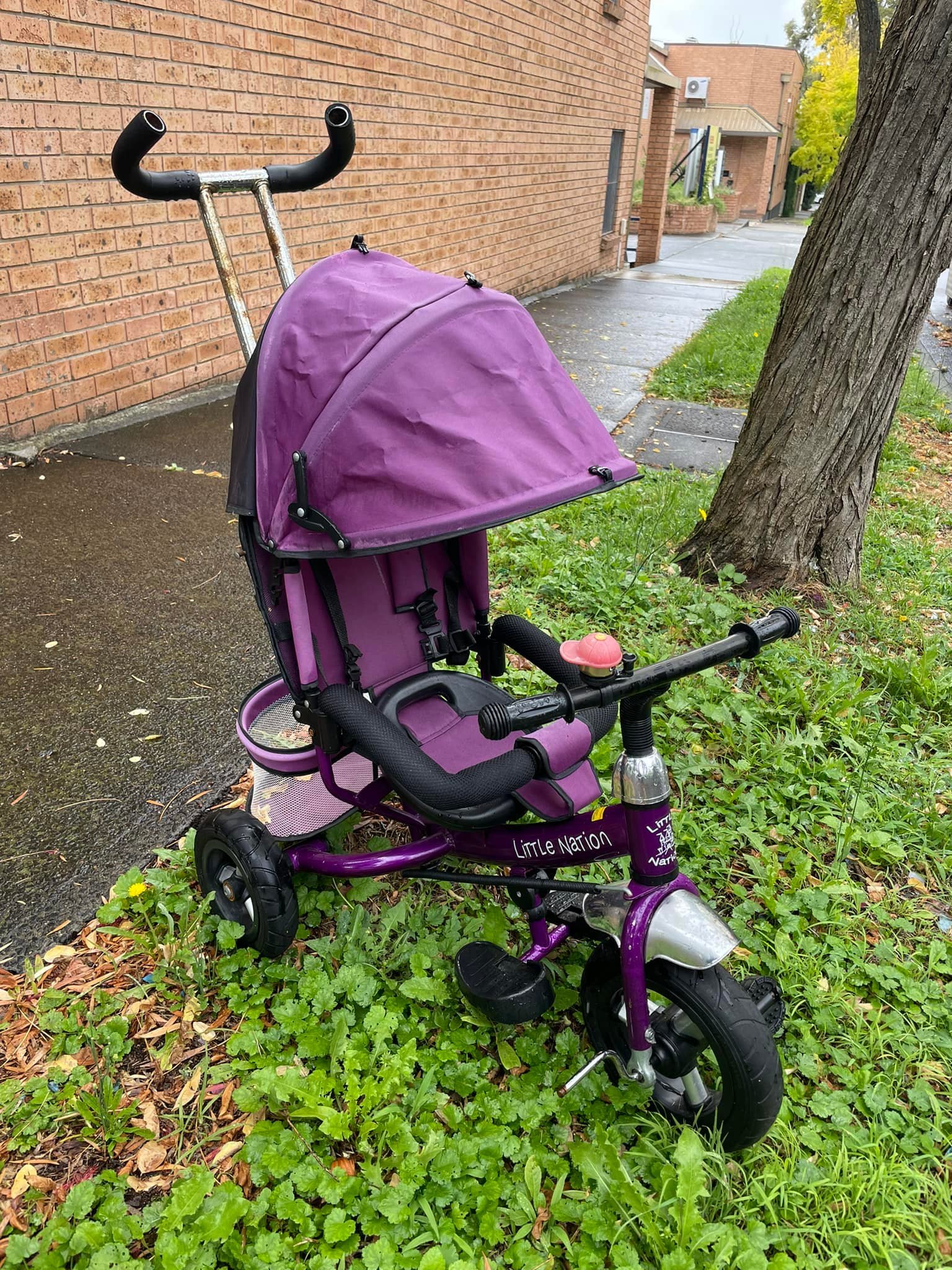
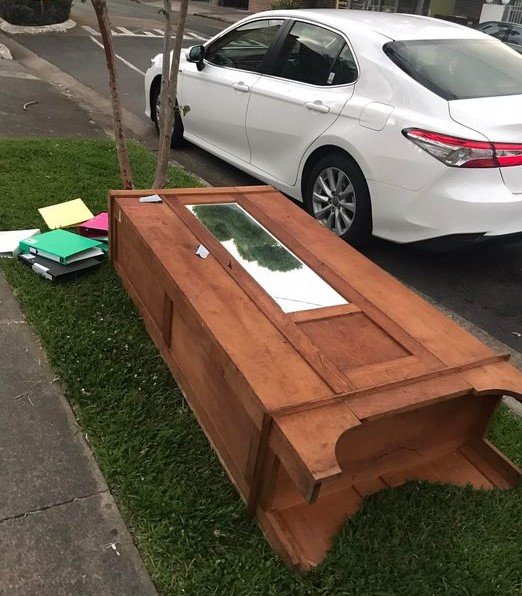
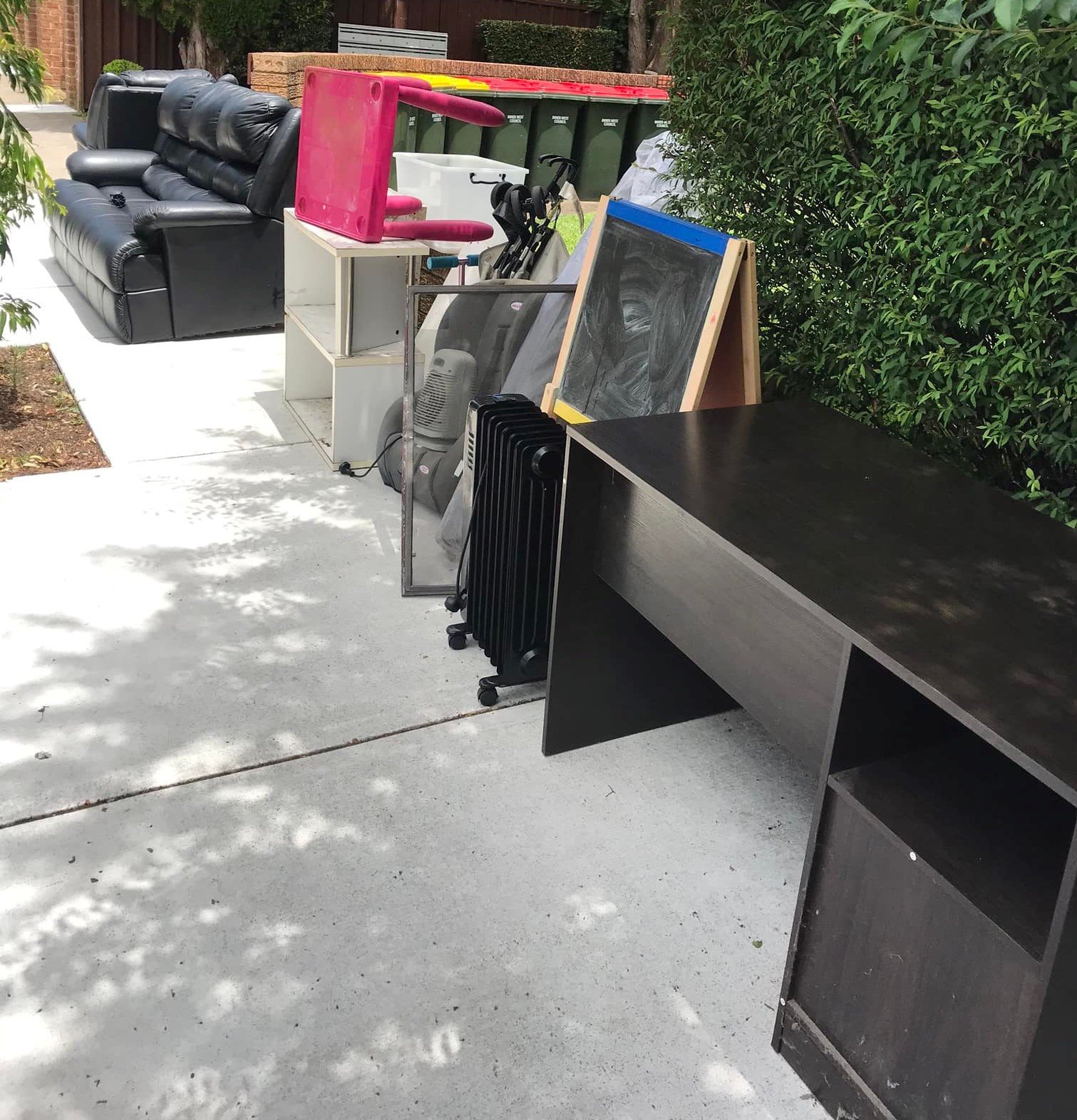
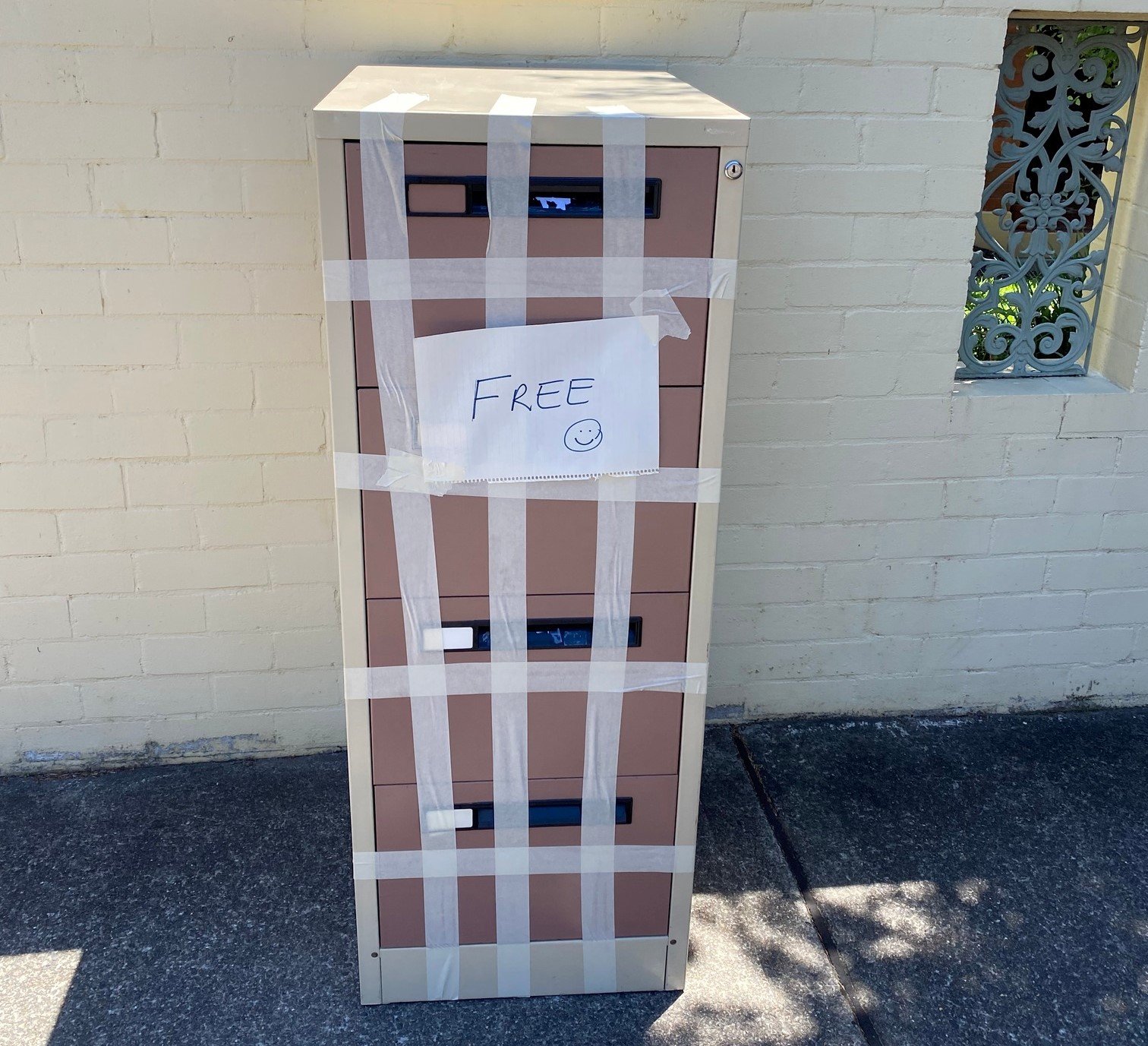
I was out on a walk the other day and spotted a ‘FREE’ sign in front of someone’s house above a couple of art frames, a lamp, clothes rack, mirror, a chair and some books. It’s pretty common to see household items on the sidewalk, free for passers-by to take. I’ve come across everything from sofas to tvs, suitcases, washing machines, clothes, printers, desks, electronics and even fresh fruit.

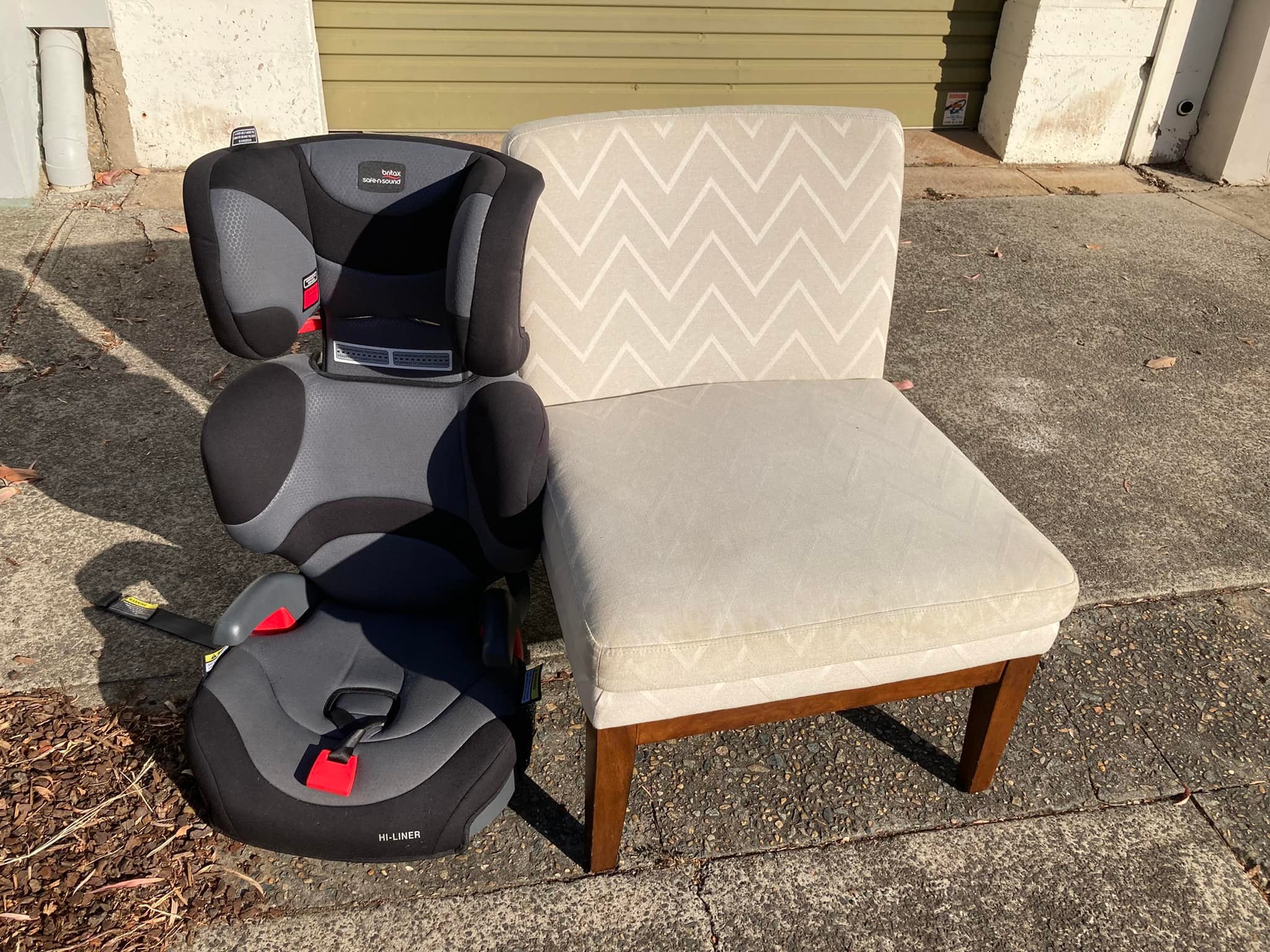
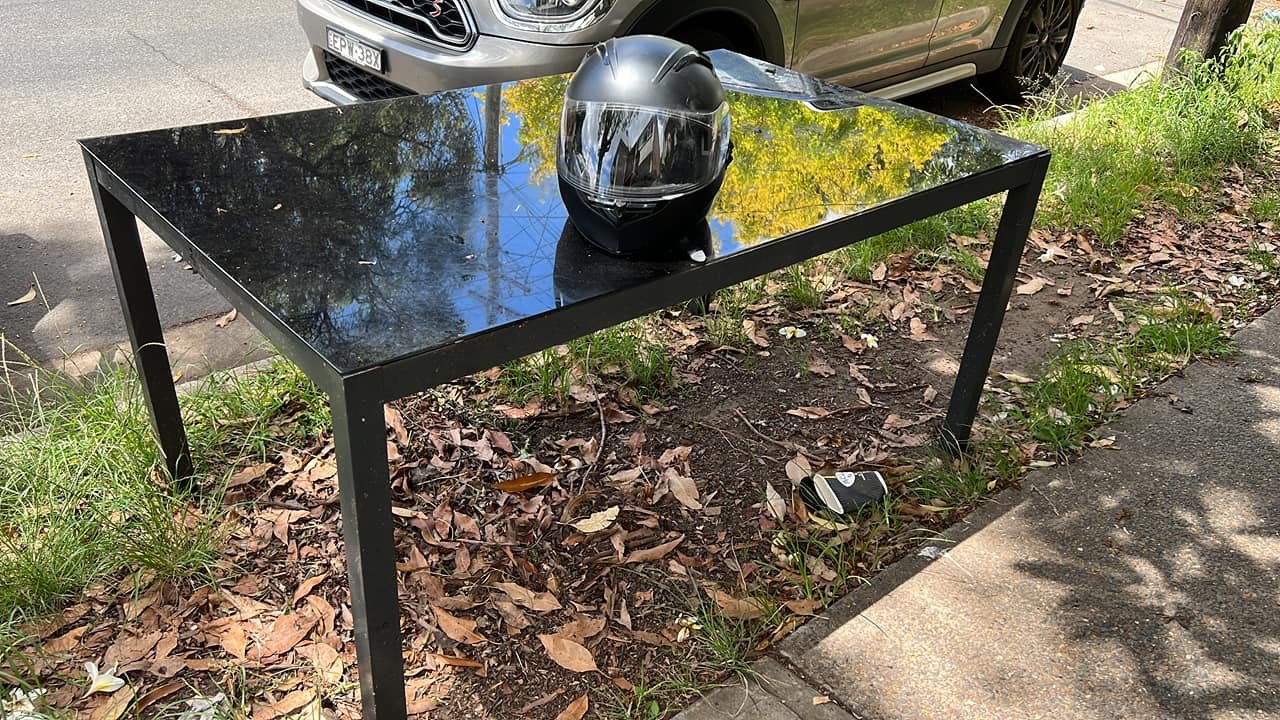
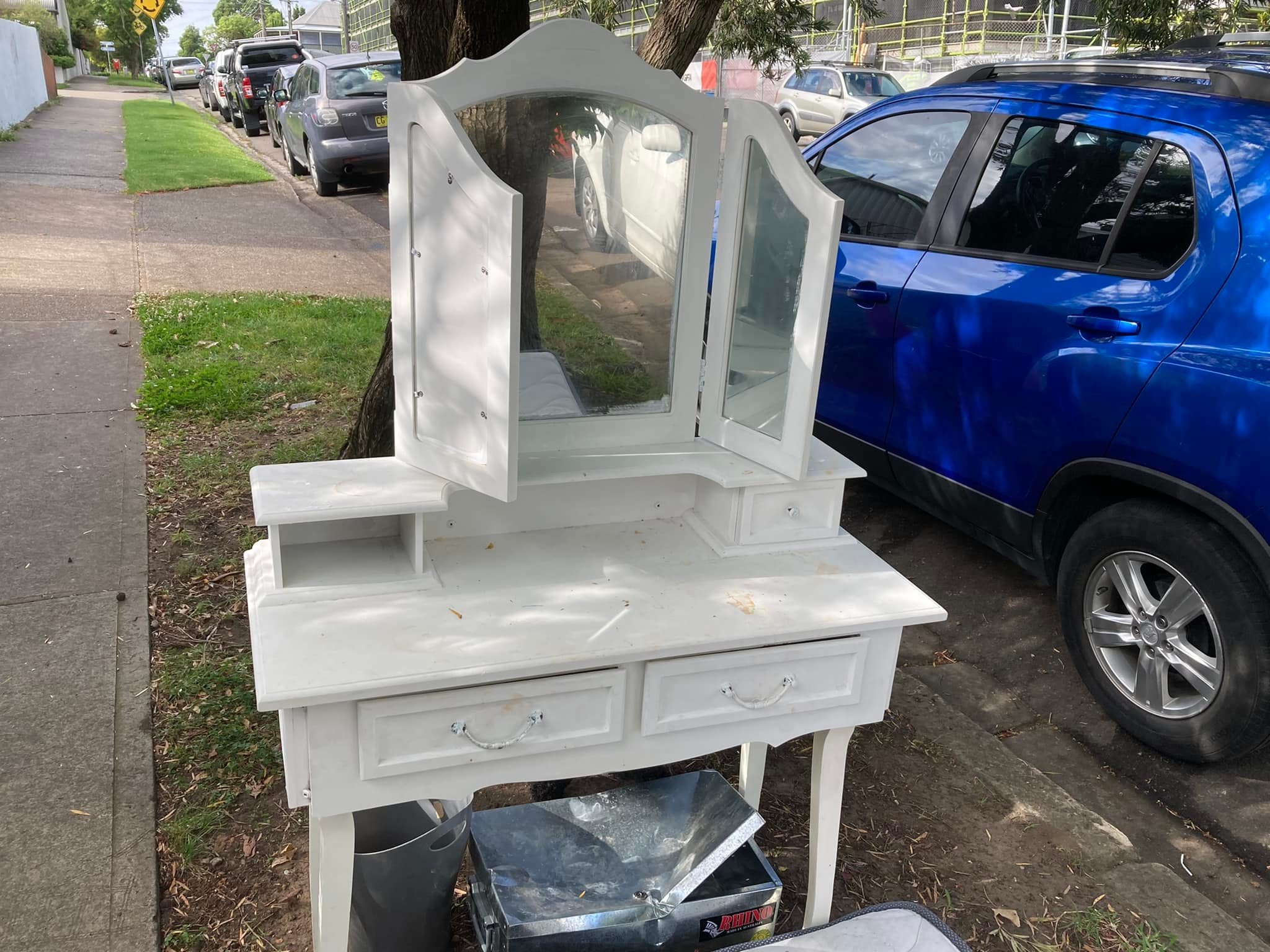
I found out about a community Facebook group called Street Bounty Inner West where locals in a suburb can post reusable items they see in the street for anyone to pick up. The group aims to “promote the recycling and reuse of materials, keeping kerbs cleaner, landfill emptier and wallets fuller.” Movements like this divert so much stuff from going to landfills. However, sometimes these items can get damaged on the sidewalk by exposure to weather conditions: rain, extreme sun and wind. And/or eventually still end up in landfill if nobody takes it.

Images credit top row L to R: Kimberly Scott, Fi Paskulich, Anna Bailey, Obaydah Vetter. Second row L to R: Nicky Lewis, Sarah Bea, Carolyn Veg Ienna and Vanessa Jimenez.

The world’s waste

According to The World Counts, the world dumps 2.12 billion tonnes of waste each year. If it were all put on trucks, it would stretch around the earth 24 times! Part of the reason why this figure is so high is that 99% of the stuff we purchase is trashed within 6 months. According to the World Bank, global waste is expected to grow to 3.40 billion tonnes by 2050. A huge majority of the world’s waste is generated by countries in the global North like Australia, the US, the UK, and Canada.

According to Australia’s National Waste Report 2020, Australians generated around  74.1 million tonnes of waste in 2018-19 (this includes household waste, organics, masonry materials and ash). Community efforts like Street Bounty that salvage household waste from landfills by donating to random strangers are a noble act. Many movements like this are doing fantastic work in tackling the waste problem but they can only capture a tiny fraction of the overall waste that exists.

Planned obsolescence

It’s fair to say that planned obsolescence is probably the biggest factor behind the tremendously high amount of waste. It’s a modern capitalist trend that’s been a massive catalyst for manifesting more waste in the last few decades than humanity has ever witnessed. Planned obsolescence is a strategy during manufacture that ensures products are deliberately designed with an artificially limited useful life or designed to eventually slow down or become obsolete. This guarantees that consumers will regularly want to replace these products in the future. The purpose of this strategy is for corporations to gain stable and increased profits. The outcome is a massive increase in waste to landfills and huge greenhouse gas emissions that contribute to climate change and environmental degradation.  

Image credit: How-To Geek

Common waste streams

E-waste

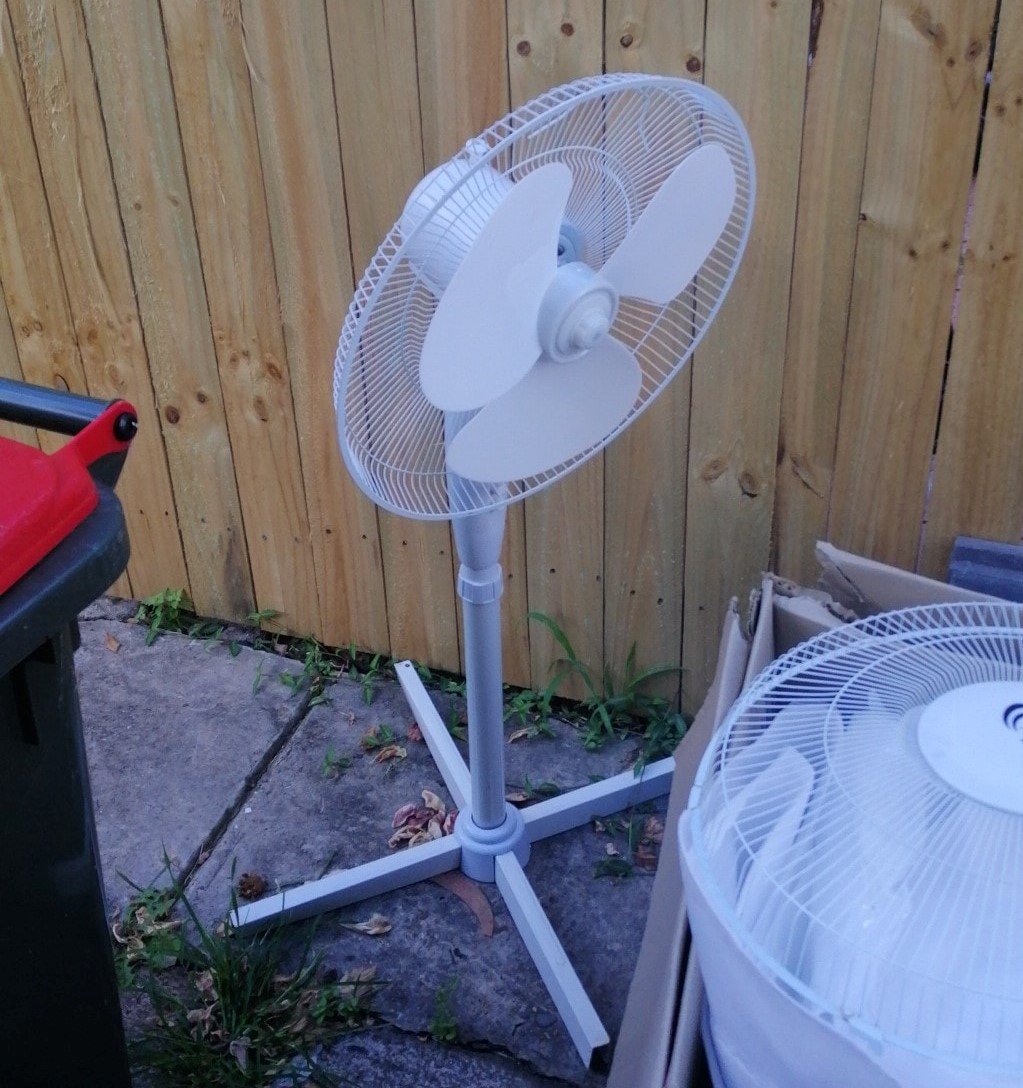
Electronic waste (e-waste) is the quickest growing domestic waste stream. On a global scale, we generate over 50 million tonnes of e-waste each year. Only 20% of this is formally recycled. That comes to about 7.3 kilograms per person and the equivalent in weight to 350 cruise ships. The e-waste produced annually is worth over $62.5 billion. A lot of e-waste is toxic and gets exported to poorer countries in the global South where they end up polluting the environment in these countries and also in their landfills. 

The average Australian household produces about 73 kg of e-waste a year. With a projection of a global total e-waste increase to 74.7 million tonnes (almost twice the amount of new e-waste in just 16 years). Planned obsolescence is a big feature in the electronics industry.  

In 2018, Italy fined Samsung and Apple for purposely slowing down older models of their phones. Their plan was for people to get annoyed with the slowness of their phones to the point where they were forced to buy the newest and much more expensive models.

Image credit: Carolyn Veg Ienna

Furniture waste

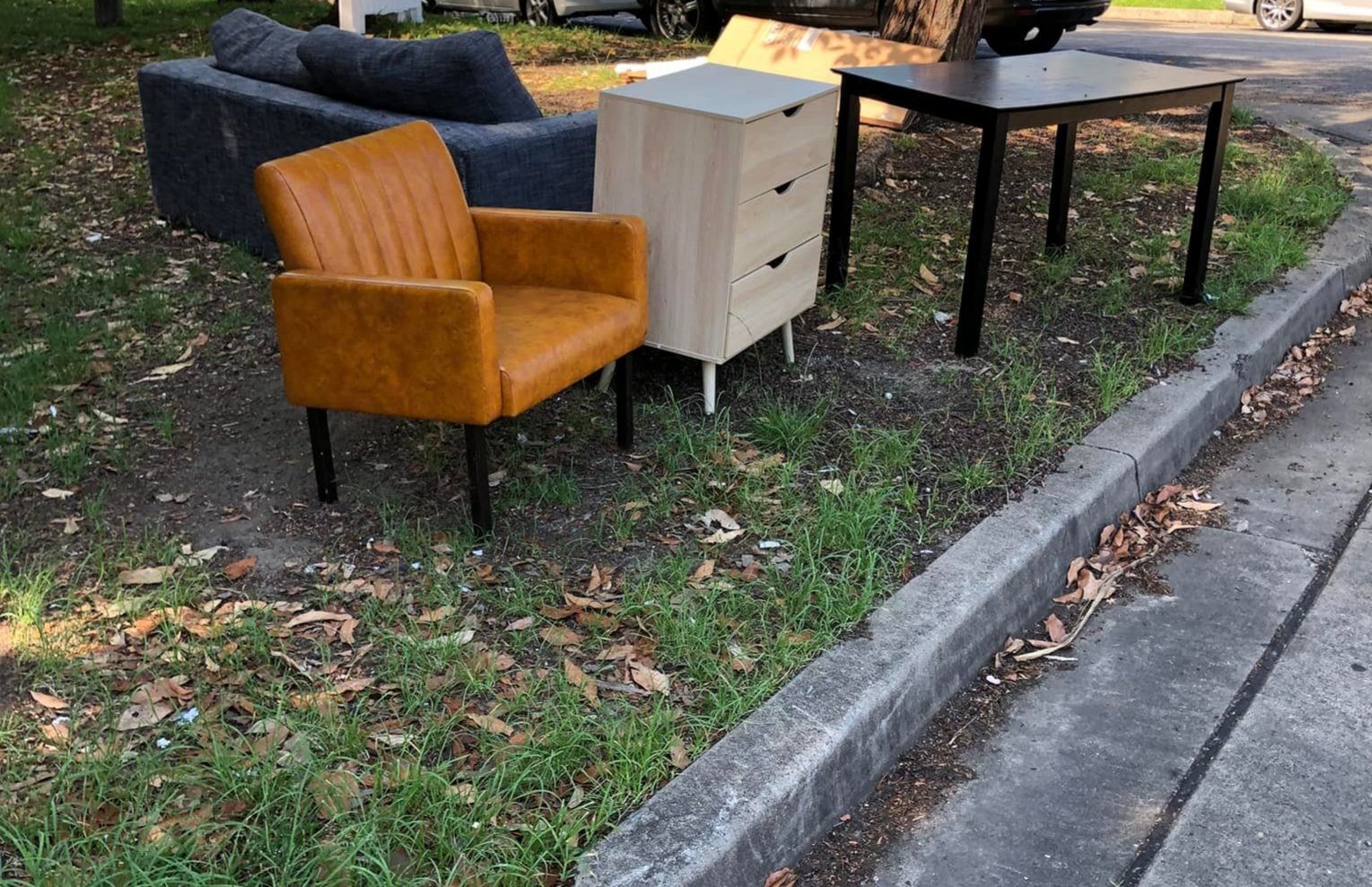
With the popularity of flatpack furniture over the last few decades, there’s been a boom in furniture waste. When people are relocating, it can be more convenient to throw away old or damaged furniture instead of repairing or paying to move them to the new location.

Each year, Americans throw out more than 12 million tons of furniture and furnishings, according to the Environmental Protection Agency. Only a small percentage is recycled. And in Australia, households dispose of around 24 kg of wooden furniture each year.

Image credit: Blake Milne

Images credit: Bee Yolanda, Clare Marshall, Jobi-Zane Pixus and Tom.

Waste from fashion & textiles

We’re producing about 150 billion garments a year with only 7.8 billion humans. It’s not surprising that 84% of all new clothing produced ends up in landfills each year. Fast fashion is to blame for these alarming figures.

Fast fashion brands through clever marketing amongst other things manipulate consumers into buying new clothes every few days or every week. These clothes usually get thrown out very quickly as trash and a huge portion is exported to countries in the global South where they eventually pollute those environments. Overconsumption is a modern cultural trend that’s detrimental to people and the planet. Fashion trends are one of the things that fuel fashion waste.

Image credit: CALPIRG

Solving the waste crisis

Australia has a national target of recovering 80% of waste by 2030. To make ambitious goals like this in Australia and other countries a reality, we’ll have to do a lot more than sidewalk donations. It’s so necessary to break the planet-destroying linear cycle of stuff that goes from retail to buyer then landfill in less than a year. In spite of planned obsolescence and our behaviours around consumption, many items are still useful and can be repurposed. A couple of ideas:

1. Make profits for yourself and charities

Reselling has always been a phenomenal way to divert waste from landfills and make a profit. However, CharityBay is next level! On this platform, you can do both of these things and help charities at the same time. People can sell items and donate some or all profits to a chosen charity. Imagine if all the stuff abandoned on the street and the useable stuff sent to landfill were resold for charity.  

2. Rescue, Reuse, Repair, Repurpose

There are many community groups like the Street Bounty Inner West group that support waste reduction. You might find similar groups through a search on social media platforms. If you can’t find one for your local community then create one.

With a little love, imagination and a makeover, many items have the potential for a magical transformation into something ‘new’, useful and maybe even beautiful. Imagine what our societies would be like if repairing and upcycling were as much a cultural habit as overconsumption?

Image credit: Imran Zainal © Imran’s Ark via iProperty

3. Legislation and policy change

Local community action is very powerful but it’s only one piece of the puzzle. We have to have laws in effect that ban planned obsolescence. And

  • hold corporations accountable for ensuring durability and lifelong repair guarantee in the products they make

  •  limit the number of goods manufactured to a reasonable number in harmony with planetary resources and product demand / usage

  •  hold corporations accountable if they do not comply with these laws.

 ♥ Nina Gbor

Insta: @eco.styles


Christmas is the greatest annual environmental disaster by Nina Gbor

Black Friday (November 26th) marked the annual initiation into this season's global overconsumption ritual. It usually starts with Black Friday, goes into Christmas, gets hotter on Boxing Day, then New Year's and all throughout January. It's a lot! Our modern culture has set up this period as the festival of superfluous consumption. So it’s primed for voracious use of material things far beyond any other time of the year. This is why environmentalists say Christmas is the greatest environmental disaster.

Marked by the biggest displays of excessive advertising, manipulative sales tactics, oversupply and mindless buying with almost no consideration for the environmental cost to the earth, the wellbeing of humans involved in supply chain and raw materials extracted to manufacture the products.

80% of clothes purchased on Black Friday are reportedly thrown away after one wear. Some environmentalists say Christmas is the world's greatest environmental disaster.

To be fair, the underprivileged & marginalised groups, the season is an opportunity to afford little luxuries and needed items beyond regaular price range.

However, there's more than enough resources to cater for everyone's basic needs if we commit to taking care of people and planet. Especially if we embrace systemic global equity, equality and let go of capitalism's principles of placing profiteering well over the wellbeing of humans and the earth.

If we did this, there will be far less poverty, fewer marginalised groups and very likely little need for charity.

Holidays have become far removed from their founding history, origins and cultures. And morphed into meaningless, superficial rites of spending to enrich corporations that often contribute to high emissions and human exploitation.

So, what if we had new ways to celebrate the holidays from now on by completely moving away from the outdated model of buying stuff we don't need for others and ourselves? Like showing our affection for loved ones in ways that go beyond the material e.g. giving our loved ones the gift of our PRESENCE instead of material PRESENTS (unless absolutely necessary)? Presence can mean several things! Like new experiences, listening without judgement, volunteering to help, donating your time to do what the other person wants, making sure someone(s) feels heard, etc.


Alternatively, meaningful secondhand or handmade gifts to support small businesses that have minimal carbon footprint.

Why empowering refugees and migrants is crucial by Nina Gbor

Image by Belinda Fewings, courtesy Unsplash

Image by Belinda Fewings, courtesy Unsplash

I recently took part in a fundraiser style challenge for a social enterprise and charity called The Social Outfit. It was in alignment with National Refugee Week and to raise funds for female refugees and new migrants. National Refugee Week is Australia’s peak annual event to educate and inform the public about refugees and celebrate positive contributions made by refugees to Australian society. During the week, many truths and lived experiences of refugees and new migrants were shared in the media and on social platforms. And it got me thinking about the global refugee problem. Despite circumstances like conflict, human rights violations, public order disruptions, violence and persecution that turned ‘ordinary’ people into refugees, they sometimes still encounter discrimination, judgement and inequality in their host countries instead of compassion.

Why refugees should be empowered and supported

First and foremost, the most crucial factor in hosting refugees is and should always be to ensure the protection of people where their liberty, life, safety and other fundamental human rights are at stake. With this in mind, empathy should be the cornerstone for dealing with refugee matters. Subsequently, it’s worth discovering and utilising the enormous source of potential that refugees possess and using it to enrich the nation.  

Economic and social development - The presence of refugees and migrants boosts and diversifies the country’s skill levels. It bolsters innovation and resilience. Refugees often have a strong desire to settle and adapt into their new environments and for this reason, seek to gain employment shortly after arriving in the host country. And bring high levels of skills, qualifications and work experience that too often end being under-utilised. According to a research report by the Australian Government Department of Immigration and Citizenship, around 49.3% of refugees who participated in one West Australian study were employed in occupations below their skill level. The massive reserve of potential can contribute tremendously to the country’s economic, social and cultural growth. All this potential gets lost or diminished when refugees and migrants are not sufficiently supported and empowered.

Entrepreneurship and business - The research report also stated that refugees have a penchant for being entrepreneurial because they are confronted with an urgency to establish themselves in their new environment. This is evident in the 2000 Business Review Weekly’s annual rich list of 200 people. Five out of eight billionaires were people whose families have originally arrived in Australia as refugees.

Strengthening international ties and post-colonial recovery - On the other side, hosting refugees strengthens international ties and relationships with poorer countries. Countries in the global South are still suffering from the aftermath of colonisation. In some nations, it has resulted in conflict, civil unrest or some of the other refugee circumstances I mentioned previously. One of the most poignant examples is the Rwandan genocide in 1994. Belgian colonisers in Rwanda created tension between two ethnic groups: the Hutus and the Tutsis in the 1930s by making a policy that established the Tutsis as the monarchs and elite ruling class. This ethnic division began the conflict between the two groups that later degenerated into genocide. And hence, birthed refugees fleeing conflict. Colonisation in several cases has proven to be the root cause of issues that create refugees. Supporting refugees and migrants helps to strengthen international ties and, in some situations, might be a small contribution towards healing the issues created by the global North colonising regions in the global South.  


 ♥ Nina Gbor

Instagram: @eco.styles

A style challenge for positive change by Nina Gbor

In my last article, I wrote about the 2020 #WearTheChange style challenge fundraiser. Wear The Change is a fundraiser created by The Social Outfit (TSO), a social enterprise, charity and ethical clothing label. The challenge is to style an ethical/sustainable garment in a different way (restyle) for five days during National Refugee Week (June 20 – 25). The purpose is to raise funds to help TSO support, empower and train female refugees and new migrants with customised training, education and employment pathways in the fashion industry.

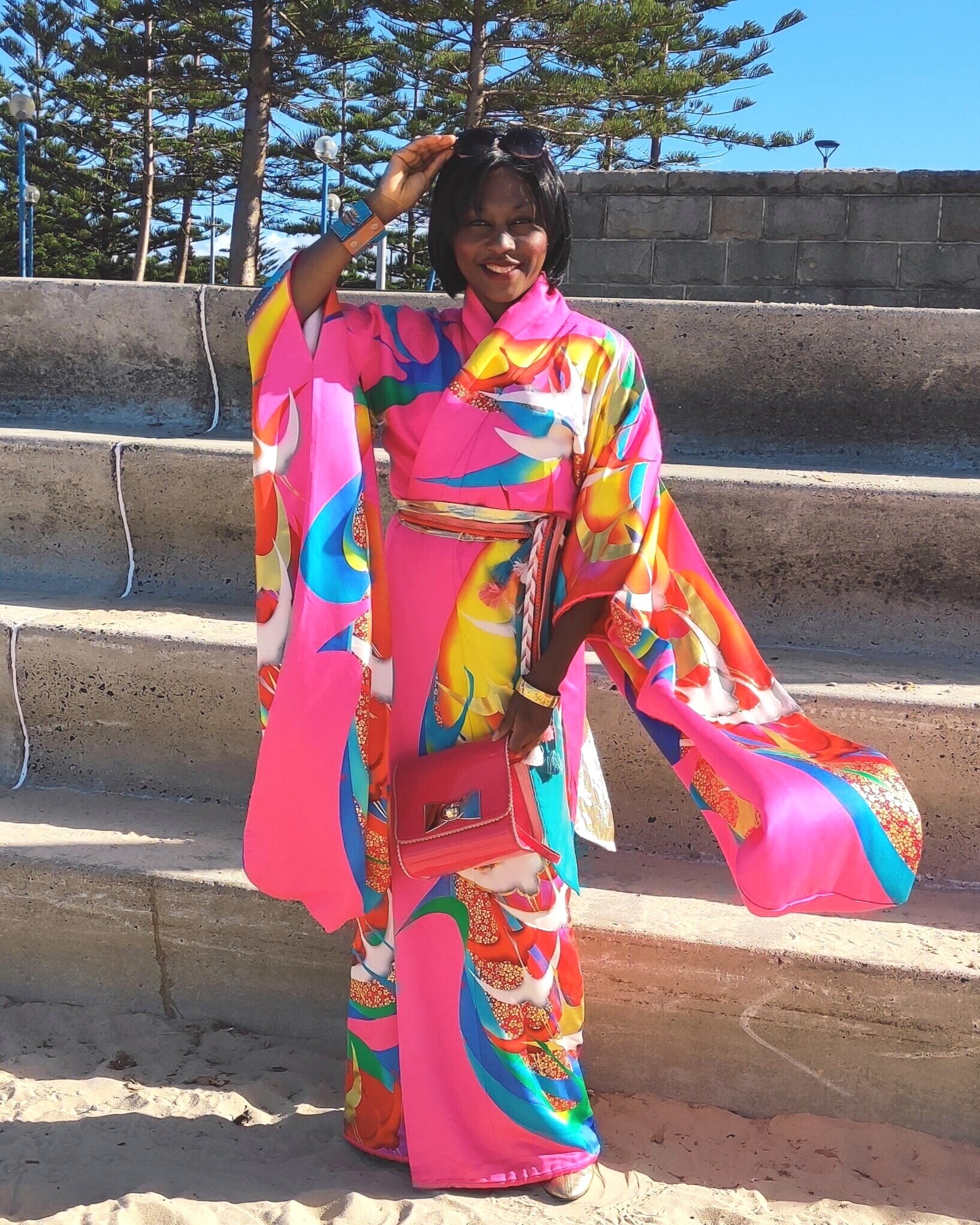
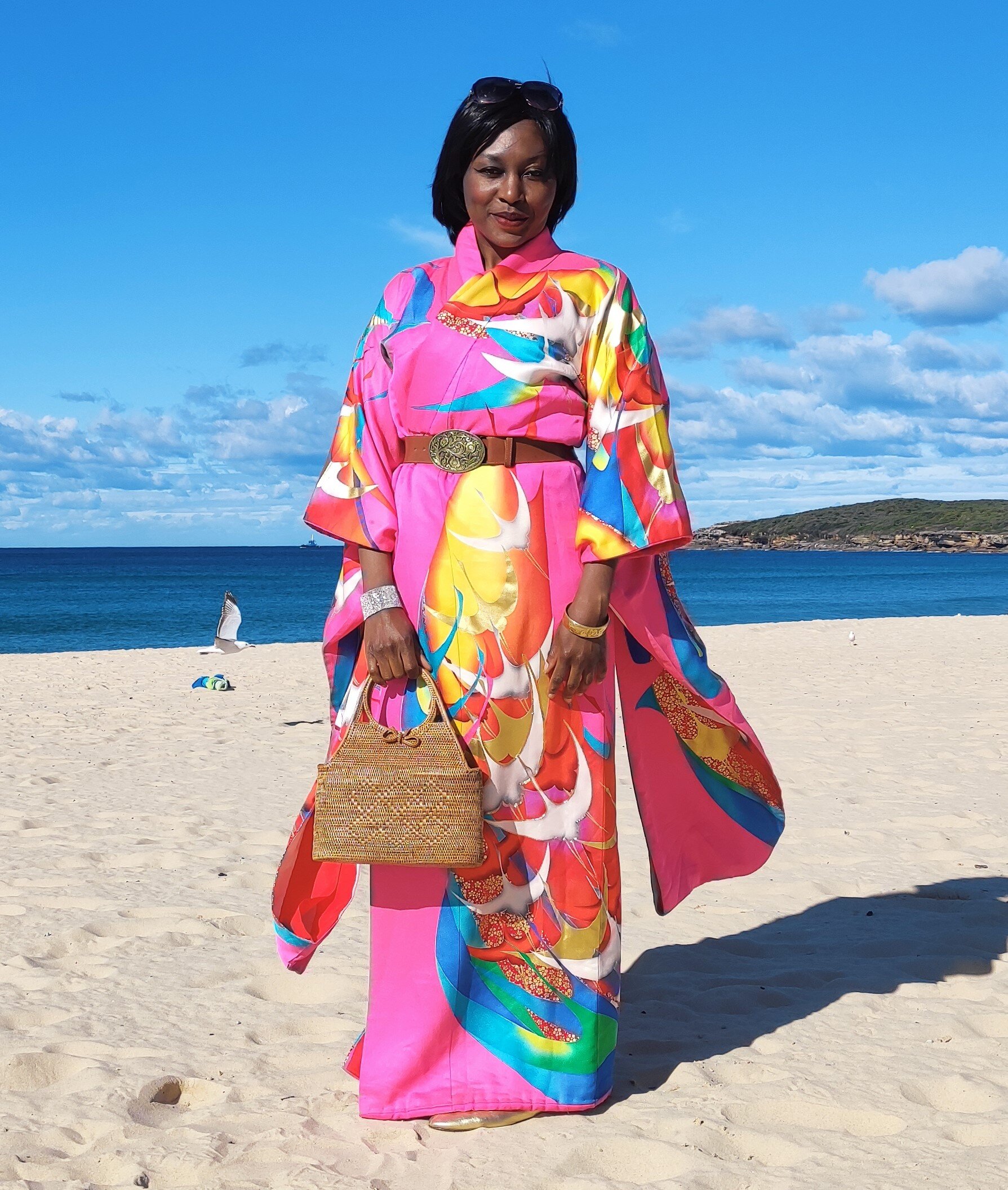
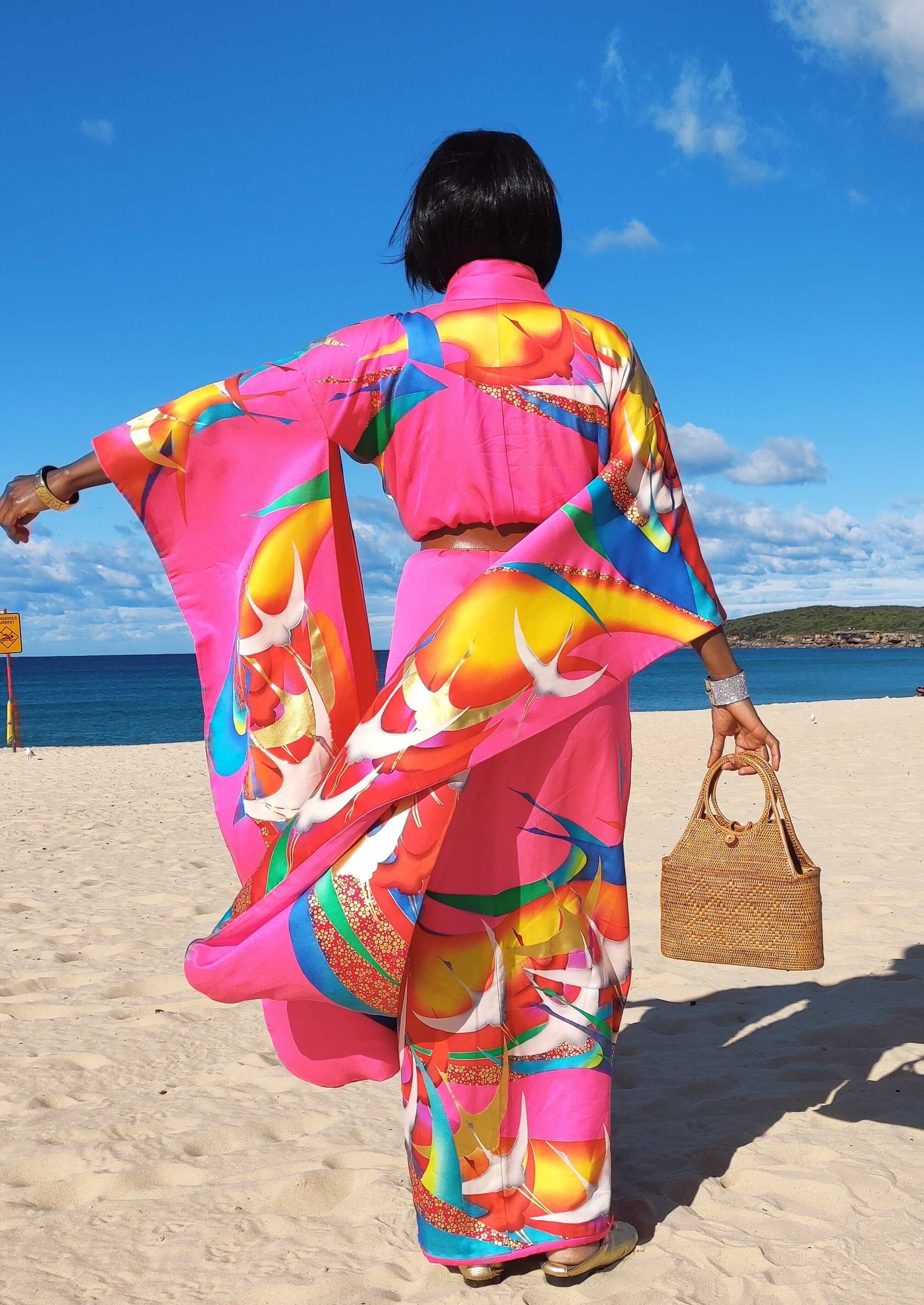
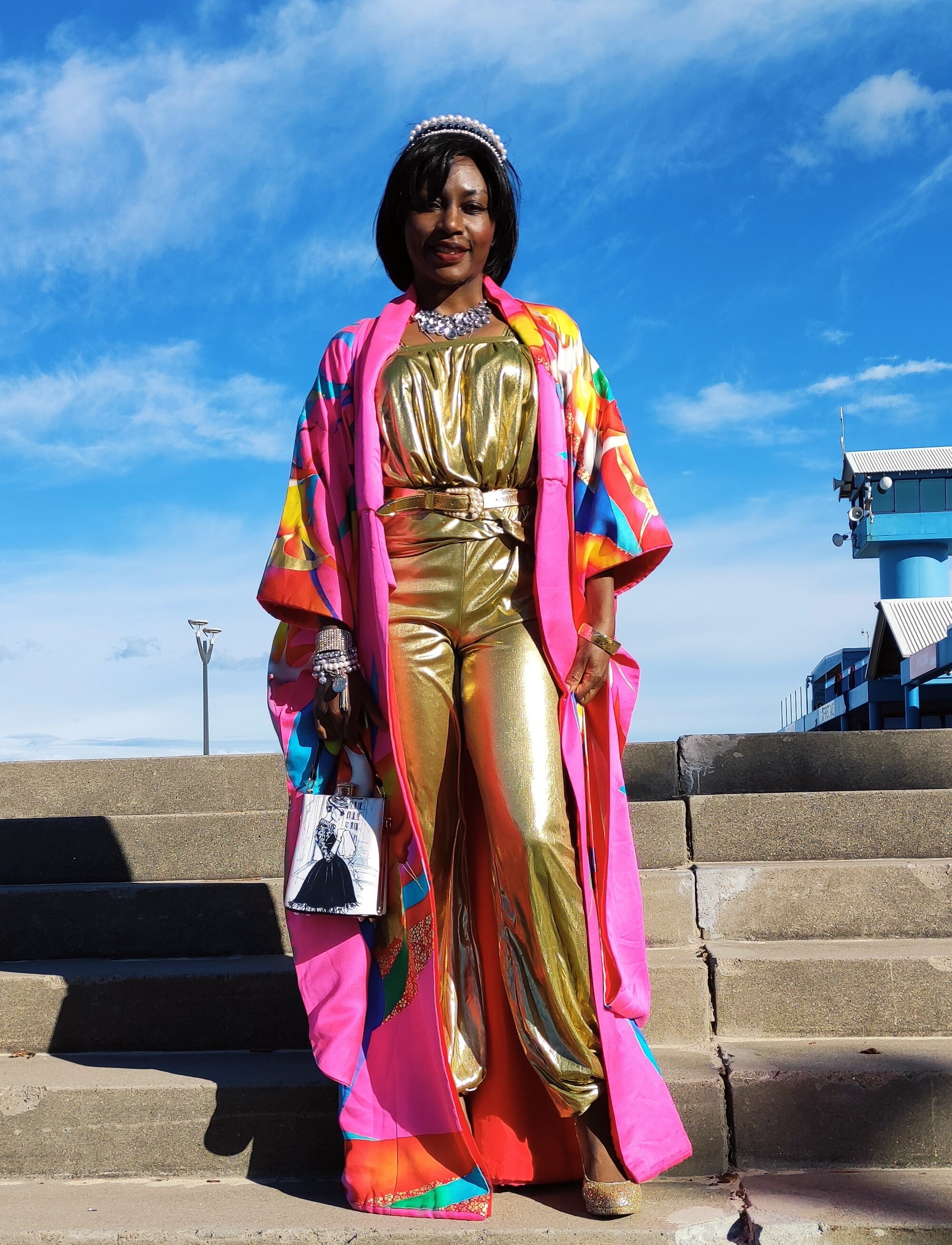
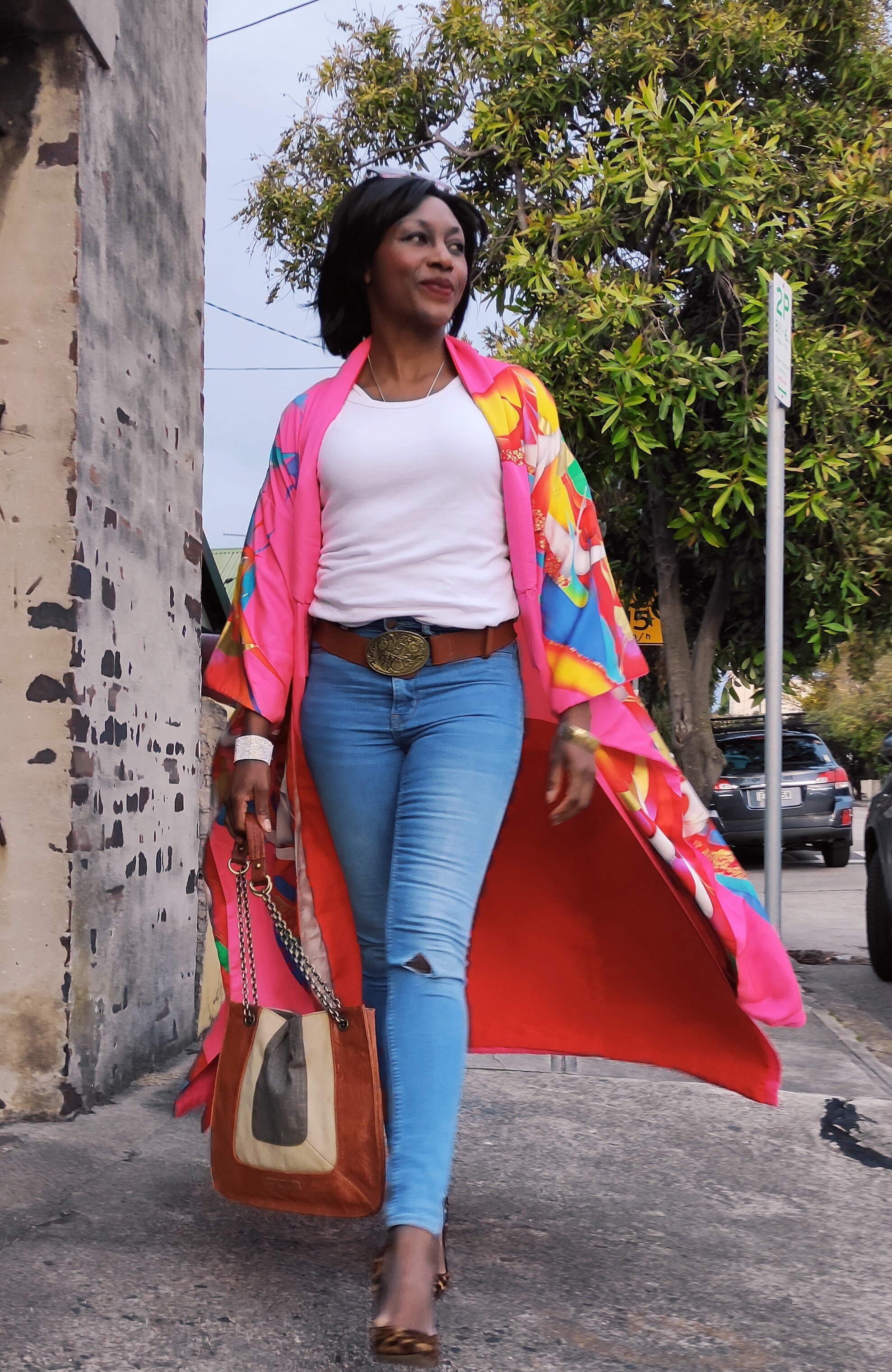
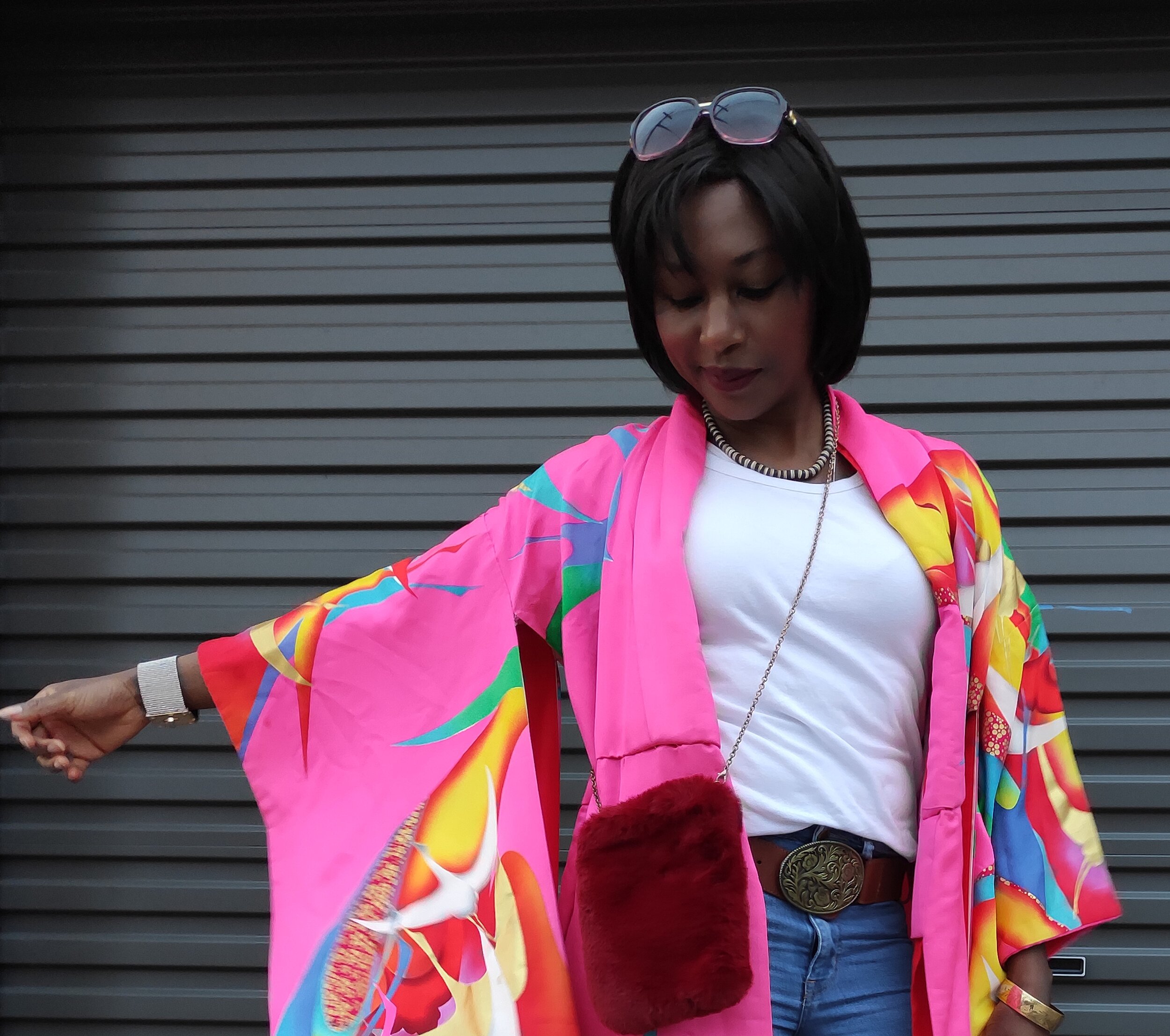
TSO ran the style challenge again this year, so I felt the pressure to up the ante with this beautiful, pink, vintage-retro silk Japanese kimono. The kimono is a post-lockdown present I gifted to myself at the end of 2020 after a very long and intense lockdown period in Melbourne, Australia.

Retro-vintage kimono styled with kimono belts and a pink preloved clutch purse from an op shop.

Retro-vintage kimono styled with kimono belts and a pink preloved clutch purse from an op shop.

The allure of the kimono

I love traditional, vintage Japanese wedding, ceremonial and casual kimonos. They hold tremendous beauty, art, storytelling, craftsmanship and copious amounts of my attention. Vintage and antique kimonos are some of the most beautiful garments ever created in my opinion.  

By choosing a kimono for the 2021 restyle challenge, I made it harder because it’s rare to see a wide variety of kimono restyled looks. But I chose it nonetheless because this pink one is an exquisite piece with vibrant colours that inspire tremendous amounts of awe, joy and MAGIC.

If my knowledge is accurate then I believe this kimono is a wedding kimono called Hikifurisode (a kimono with long, flowing sleeves and a padded, trailing hem). It’s a more modern take on the traditional wedding kimono, likely from the late 1980s. I’ve been told that it might have been a wedding or ceremonial piece for a young woman. And it's 100% silk.

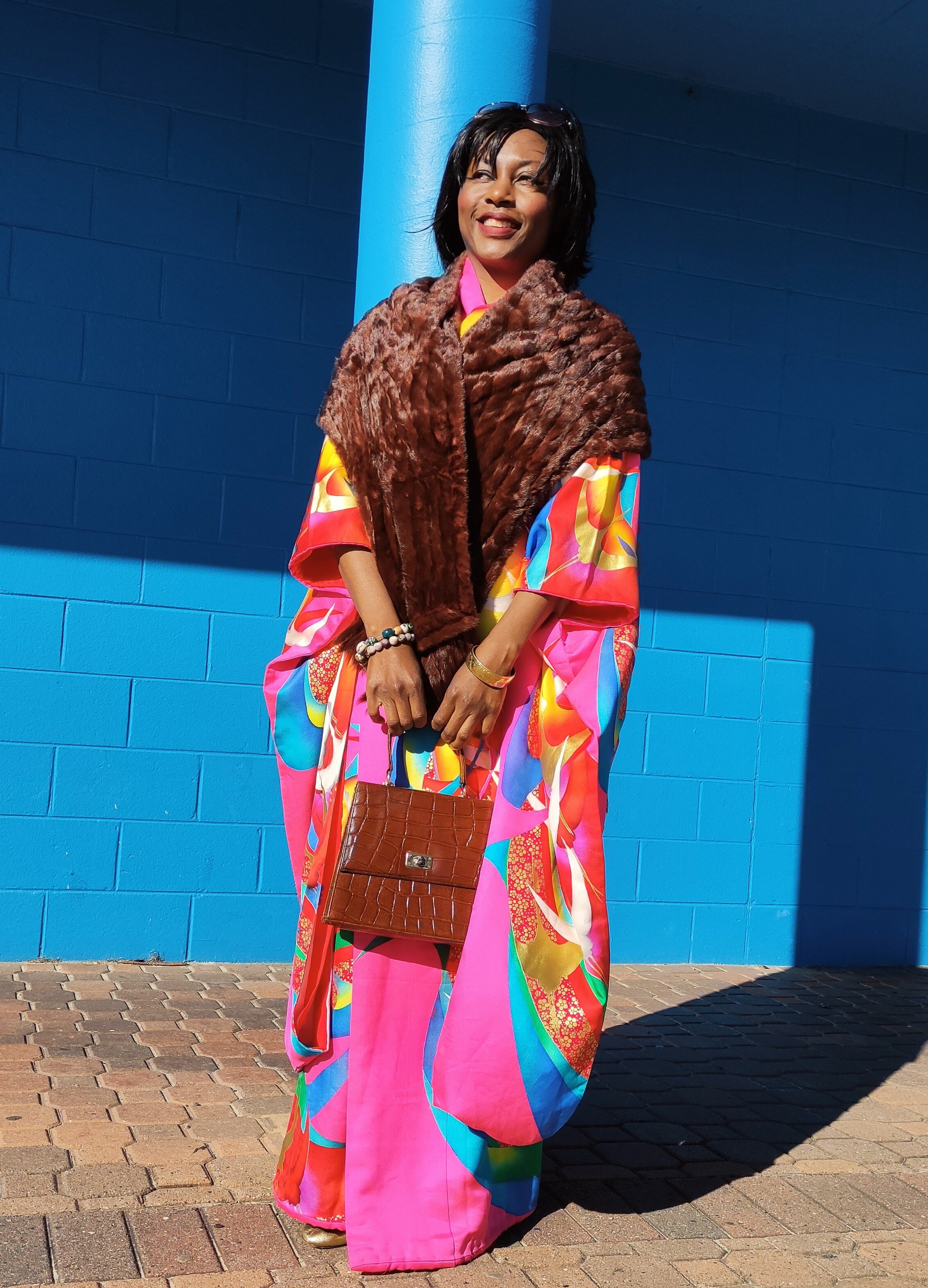
Retro-vintage kimono styled with a 1930 / 1940s vintage fur cape from an op shop. Paired with a 1950s handbag from a vintage shop.

Retro-vintage kimono styled with a 1930 / 1940s vintage fur cape from an op shop. Paired with a 1950s handbag from a vintage shop.

Regarding Asian-made

In addition to being my challenge centrepiece, it’s also a conversation piece for important topics like the perception of products made in Asian countries. In the fashion world and other industries, we hear comments like 'cheap Asian stuff' or 'cheap Chinese stuff' flooding the fast fashion markets. However, the fast fashion model thrives because we indulge it. In many cases, it’s fast fashion brands in the global North that commission the manufacture of cheaply made fast fashion products in Asian countries. Because labour is cheap in those parts of the world, it’s easier to exploit workers in those countries. Then it’s the consumers that help this concept to continue when we buy and consume fast fashion in droves without demanding that brands pay living wages and decent work conditions for garment workers. Perhaps we can shift the notion of perceiving Asian countries simply as where cheap products come from. Instead, we can shift perspective and engage more respectfully with Asian and other regions where products are made by acknowledging the craftsmanship, art, meaning and storytelling behind the art that’s native to these regions. The traditional kimono is a case in point. Because the history, skills, dexterity in making the products, traditions and symbolism are not cheap. They deserve respect.  

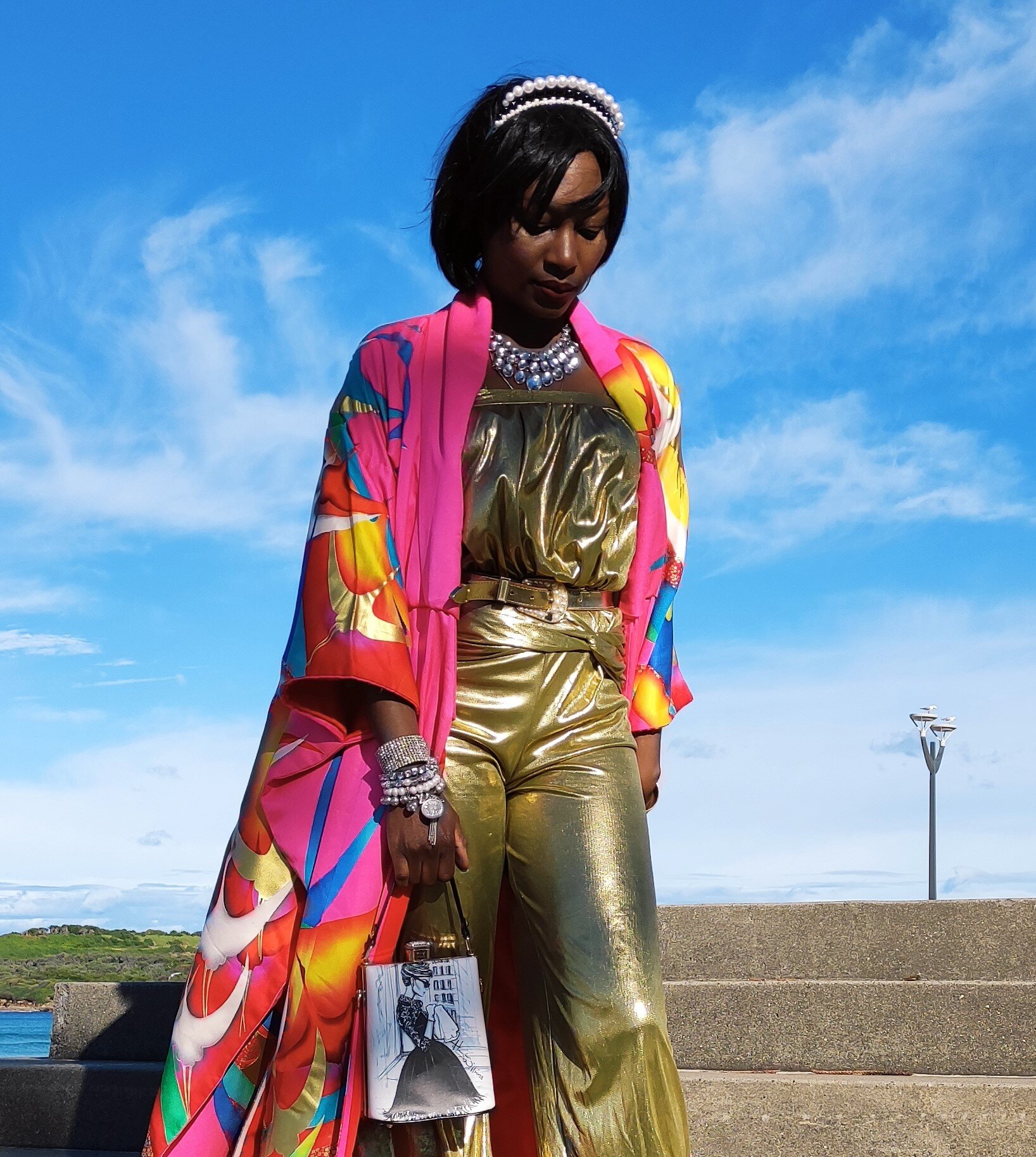
Retro-vintage kimono styled with a preloved gold jumpsuit, preloved jewellery and gold court shoes. All from op shops. The look is completed with a white purse.

Retro-vintage kimono styled with a preloved gold jumpsuit, preloved jewellery and gold court shoes. All from op shops. The look is completed with a white purse.

Retro-vintage kimono styled with a retro t-shirt, preloved blue jeans, yellow sneakers and rattan box purse. All from op shops.

Retro-vintage kimono styled with a retro t-shirt, preloved blue jeans, yellow sneakers and rattan box purse. All from op shops.

The Social Outfit fundraiser for National Refugee Week

For the second year in a row, I’ve joined in the challenge to contribute to raising awareness and raising funds towards helping The Social Outfit support, empower and train new migrants and female refugees with customised training, education and employment pathways in the fashion industry. Only 20% of women from refugee backgrounds are engaged in the workforce. Work empowers women and employment is important for a positive settlement experience. The focus is on the first Australian jobs because the first job is the hardest to get. 85% of people who have worked at The Social Outfit have moved on to other employment. Empowering women is critical because when women are empowered, the community, society and the entire nation benefits economically, socially and in many other ways.

And 49 people have been employed since 2014, paying over $846,000 AUD in Australian award wages. Almost 500 people have participated in their training programs.

By donating, you can help this legacy to continue to thrive and to grow. It won’t solve the global refugee crisis, however, it’s an exemplary model of how refugees and new migrants can be empowered to successfully and beneficially integrate into society in a highly productive way for everyone. The fundraiser continues. On that note, TSO and I will be tremendously grateful for donations to their work through my fundraising link here: https://wear-the-change.raisely.com/nina-gbor. Thank you!

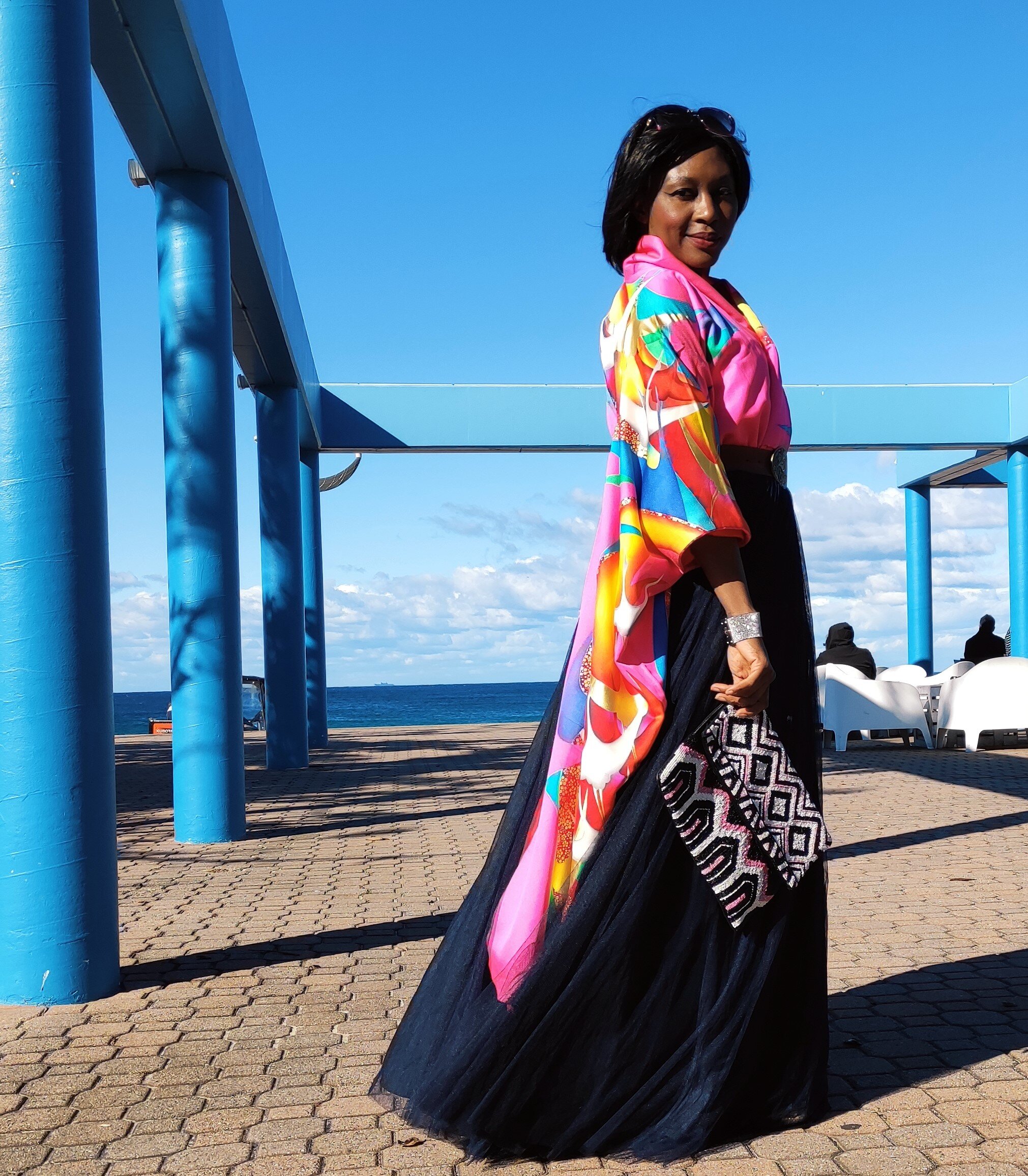
Retro-vintage kimono styled with a preloved navy, tulle maxi skirt and preloved tan belt. Both items from op shops. The beaded clutch purse was a hand-me-down.

Retro-vintage kimono styled with a preloved navy, tulle maxi skirt and preloved tan belt. Both items from op shops. The beaded clutch purse was a hand-me-down.

♥ Nina Gbor

Instagram: @eco.styles