25 travel-worthy thrift stores across the world by Nina Gbor

Nina Gbor Eco Styles thrift vintage fashion

Image credit: Noemie Roussel

Now that secondhand shopping and thrifting is a global phenomenon, let's take a look at some of the most popular secondhand stores across the world that are drawing attention for their unique features and finds. With fast fashion constantly churning out textiles and people cycling through new clothes faster than shops can keep up, thrift stores are a fantastic way to slow down this cycle and give a piece of clothing a second chance. 

From Tokyo to Texas, every major city has its unique flair. These top slow fashion and vintage style spots are some of the favourites with locals, travellers and tourists. Check them out on your next trip or look for one close to home!

In no particular order…

1. City Walk Thrift (Tallahassee, Florida)

Starting with my home state and my personal favorite place to donate and thrift in Florida, City Walk Thrift is a great option for shoppers of all levels. It features gently used clothing at affordable prices and the best part is that all the proceeds go towards housing and sober living programs. But what makes this thrift store stand out is their ability to make even used fashion feel luxurious. Their store layout gives more of a boutique feel than an average thrift store, letting the clothes each have their moment to shine and allowing customers to easily find their next favorite piece.

2. Kilo Shop (Paris, France & Europe-wide)

The city of love has a chain thrift store with a shopping style that's bound to catch the eye of any major thrifter. Shopping by the kilo! When you shop at one of these locations, you're not buying per item, but rather by weight. With a setup that parallels any major retail store, it almost feels as though you are shopping first hand, but with these prices, there's no way!

3. Ragtag (Tokyo, Japan)

A little further away is a store that stands out for its focus in used luxury fashion. Don't get them confused with their sister brand Ragtag Global which is a solely online second hand thrift store. This thrift store has a few main branches spreading all over Tokyo, so if you're planning on making the trip, why not stop by and grab some gently used luxury pieces!

4. Ekoluv ( Sydney, Australia)

Image credit: Ekoluv Instagram

Nicknamed “the boutique that gives back”, this high fashion location aims to give back to its community by empowering women and tackling carbon emissions. Find everything from Givenchy bags to Chanel Earrings -all pre loved, all in fantastic condition! Looking to partner with other sustainably focused communities and businesses, this thrift spot “holds sustainability at their core”! So don't just make the trek to this spot for their high end, rare finds, but the ethics that backs it up! (rentals).

5. Greendale House Thrift Shop (Johannesburg, South Africa)

Besides its interesting location, this thrift store in South Africa is known for its mission in community driven representation. It is not only mostly run by volunteers, but also, everything earned goes to Hospice Wits, providing free care for patients and their families to battle life-threatening illnesses. But even if that didn't get you, think about some of the principles this spot incorporates. While other local spots may raise their prices for tourists and higher seasons, this charity shop does its best to keep pieces at an affordable height, catering to every income level. Come shop here for everything from shoes and t-shirts to books and antiques!

6. Spúútnik (Reykjavík, Iceland)

This thrift store doesn't just catch attention with its street style and affordable clothing options, but also its cultural influence guided by curated picks! Nestled directly in Reykjavík's city center, this spot is a perfect place to attract both locals and tourists. Not only that, but with its high quality vintage pieces and inventory of current trends, you have a good chance of bumping into an interesting local style or maybe even some pure Icelandic designs!
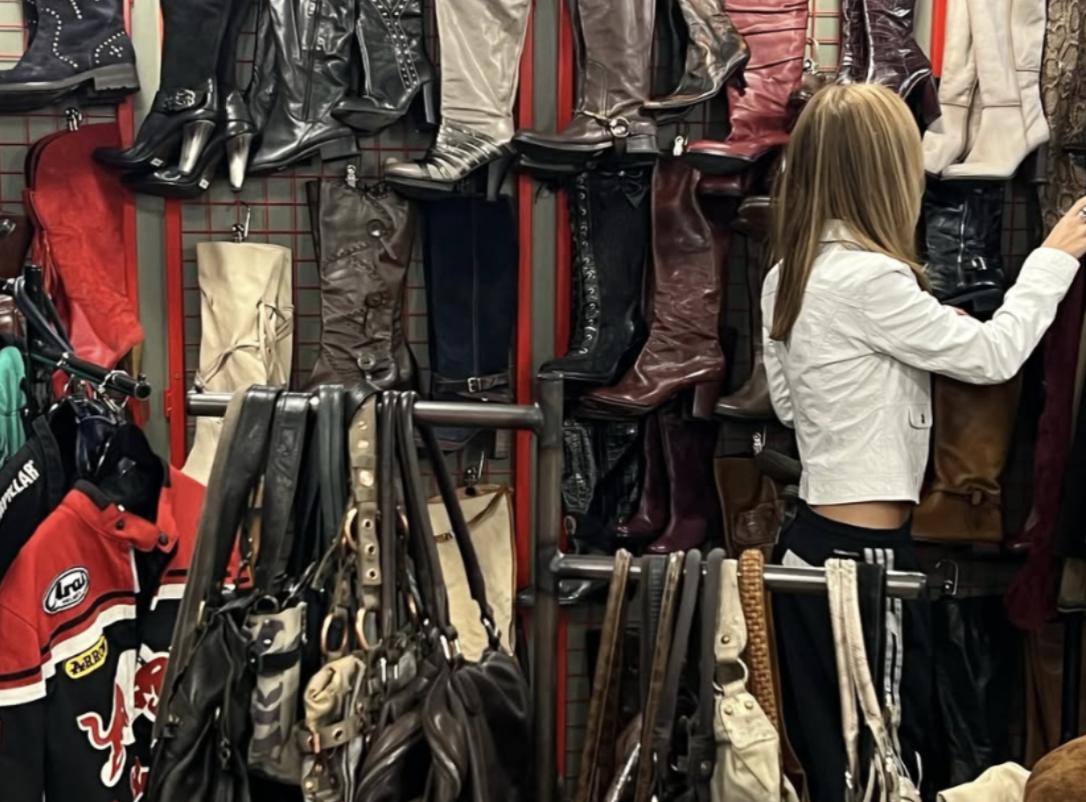
Image credit: Spúútnik Instagram

7. El Ropero (Buenos Aires, Argentina)

Similar to the Icelandic thrift store in Reykjavík, El Ropero's inventory is a curated, sorted through collection of the community's goods and clothing to give every customer a chance to see the best Argentina has to offer. Their strength lies in their wide range of options, with styles ranging from retro and trend seeking to affordable bargain finds! However, what makes El Ropero stand out amongst their community is their center in charity. All the proceeds earned goes towards food, clothing and resources to people in need. So don't just thrift, go to El Ropero and give back too!

8. The Lady Next Door  (Warren, Rhode Island)

Recently having passed from one owner to the next, this eclectic antique shop is a hometown favorite for many passionate fashion enthusiasts that call Rhode Island home. First opening in 1982, after Sandy Nathansons -the previous owners- enticing career in set decoration and styling in both TV and film, this store provided a perfect time capsule of all the best moments in her exciting career. They not only sell, but buy clothing as well! Becoming a collection of all things vintage and designer, The Lady Next Door doesn't discriminate on what you bring in, even if it's not clothes, “if [they] like it , [they] have space for it”. Check out this location on your next trip to New England, it definitely won’t disappoint!

9. Goodbyes (Melbourne, Australia)

Goodbyes is exactly what the name implies, a perfect place for you to say goodbye to your once loved items. Boasting a wide selection of all sizes and styles, their main goal is to reduce each individual person's shopping environmental impact, one thrift at a time. With six stores and nine years of service under their belts, Goodbyes recycles over 180K annually! Visit Melbourne and be a part of this amazing statistic.

10. McMurdo Station “Skua” (Antarctica)

While Antarctica may not be on your list of thrift or holiday destinations, it's worth giving a nod to this remote, slow fashion swap hub. McMurdo Station, or Skua got its claim to fame because of its extremely remote location. The interesting part about this thrift experience is that no currency is ever exchanged. Because this area is so difficult to get to, this station offers tourists and scientists alike the opportunity to leave items they no longer need for the next group of travelers. From warm clothing and boots to even interesting personal items, this second-hand store is the perfect example of a circular economy!

11. Rokit (London, UK)

Those of us that are no strangers to thrifting have probably heard of this thrift store. Rokits brand has become widely known for its iconic vintage looks. However, something you may not have heard is that they originally got their start with the inspiration of 1980s American denim. This concept of recycling fashion generations has definitely had an impact on their uptake in the community, first opening with a small market stall and now known as one of London's top chain thrift spots!

12. Irvrsbl (Melbourne, Australia)

Image credit: IRVRSBL Instagram

A more local feature to this list is Melbourne's Irvsbl, a curated high fashion thrift where all your favorite designers can be once again explored and enjoyed.  Focusing mainly on name brand designers, this may not be the spot for a casual stroll without a solid budget and some time to spare but that's never stopped me! Add this spot to your to-do list for your next stop in Melbourne and you're sure to get everyone asking about your trip!

 13. Casa Juisi (São Paulo, Brazil)

Not only a local favorite spot, but also featured in a  vogue article, this thrift store defies second hand shopping expectations with its historical tilt, upscale selection and crazy array of choices. It's a store that fits everyone like a glove (pun intended) whether you're shopping for your next favorite designer shoes or a classic floor length gown for a dressy occasion. Located directly in the city center, I suggest you leave a good chunk of your day to browse and enjoy all this store has to offer!

14. New York Vintage (NYC, USA)

Speaking of luxury, New York Vintage in New York, New York is a surefire hit for amazing thrift finds! Its specialty in selling “swanky” vintage couture and high end designer goods makes it the perfect place for some post paycheck fun! This thrift spot may not be in everyone's budget, its curated, authenticated repertoire provides the perfect destination for someone booking for their statement piece!

15. Skat Vintage (Paris, France)

Image credit: Skat Vintage Instagram

Catering to a more high fashion scene, this spot in France is a great choice for a pricey, name brand statement item. With its modern boutique style, its dog friendly atmosphere and its recent appearance on Vogue's 10 best vintage stores in Paris, every item in this selection is bound to make you reach for your wallet. Its online store and Instagram alone are reason enough to save up and visit this spot!

17. Cherry Canary Vintage (Indiana, USA)

This incredibly stocked vintage shop makes this top 20 list because of its amazing selection and diversity of not only costume pieces, but also vinyl records! A great reminder that almost everything can be used and reused again. With vinyl coming back in style, here is the perfect place to shop for your favorite classic albums without spending the money for a brand new disc. Jumping back to consume items, Halloween is coming up so this may be a perfect chance to grab your friends pre-plan your group costume!

18. Jet Rag (Los Angeles, California USA)

What makes Jet Rag so special isn't their amazing selection of everyday clothes at fantastic prices, but their Sunday special. For those looking for cheaper thrifting options, this spot hosts 1$ Sundays every week! From leather jackets to jeans and street clothes, everything is 1$ from 11-7:30pm. That leaves time for a late morning coffee, some brunch with friends and then an entire day of affordable shopping!

19. Root Hongdae (Hongdae, South Korea)

Located in the heart of Seoul, Root stands out amongst the atmosphere of vibrant street life, youthful art and culture and a wide and prominent fashion hub. Known for its interesting underground location and wide vintage selection, Root caters to a younger generation looking for a selection of second hand clothing that mirrors the culture of the area. With a huge inventory and prices that match anyone's budget, this is definitely a can't miss location!

19. Potts Point Vintage (Sydney, Australia)

Dubbed Sydney's best vintage store by GQ Magazine and TIME OUT SYDNEY, this vintage stop has a long standing reputation for quality designer items. Providing both mens and womens clothing, Potts Point ranges all the way from 1890s styles up to 1980s fashion. Can’t make the trip over? No worries! Potts Point Vintage has an extremely easy to use and accessible online store. To top it all off is this store's highlight appearances in the Australian Film industry! With its amazingly unique curated goods, why not collect wardrobe pieces for up and coming dramas?

20. Reflections Consignment (Concord, Massachusetts USA)

Rated best women's consignment store in Concord, Massachusetts, Reflections Consignment offers women's items ranging from everyday clothing and accessories to even designer pieces. This small town store has an aesthetic to perfectly compliment its environment, warm, cozy and very eclectic! Having served its community since 1978, this spot has a perfect place in west concords bustling center, providing some perfect pre dinner fun or after ice cream browse. Its award winning selection will have you booking your next trip. Check out their online store to get a sneak peek!

 21. Retro Metro: Paddington (Brisbane, Australia)

This branch store to the larger Retro Metro is exactly the place to visit after a long day of work or even classes! With its affordable prices and gender friendly selections, most pieces you find will come at a great bargain! The best part? The items that stock these isles are known to be great quality. Ranging from around $10-25, this may just be the perfect opportunity to hop on a new trend! Not looking for clothes? No worries, this location does much more than that. Visit this Paddington location for your next favorite book or trinket! 

22. Ebisu/Daikanyama (Tokyo, Japan)

Just a short flight from Australia is this local Shibuya-ku jem, Daikanyama on 2nd street. Another boutique style thrift store, this urban shop holds specifically selected items both expensive and affordable, that allow for current fashion trends and brands to easily take the forefront. But don't just come here for the clothes, this spot contains a wide variety of name brand accessories, with huge lineups of burberry bags, trendy baseball caps and much more!

23. Hippy Market (Paris, France)
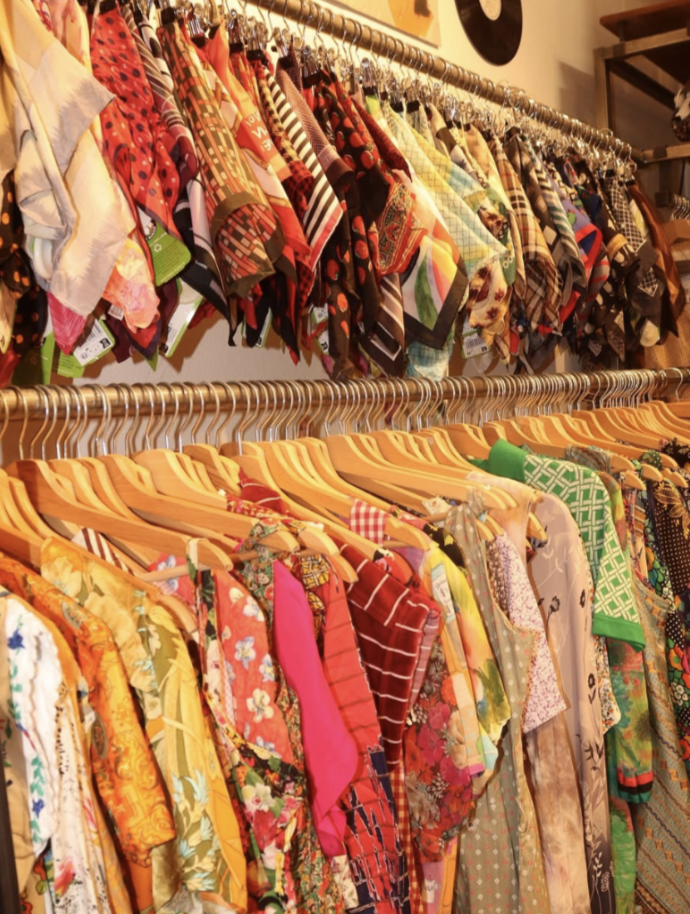
Looking for that classic bohemian free spirit look? Shop no further than Paris’s hippy market! With 100% recycled items that are updated weekly, authenticity and originality are key components of this spot's character. With more of a sustainability lens, this is the perfect spot to stop by on a daily commute or browse on your weekends off. Planning a summer trip to Europe? Look for the Hippy Markets amazing summer sale!

24. U-Turn Recycled Fashion (Sydney & Melbourne, Australia)

For some Sydney locals, the U-Turn chains are a heart wrenching view on your daily commute. With their trendy fashion feel and amazing prices, it can be hard for fashionistas to pull away from the enticing view that promises at least an hour of happiness. But their most notable connection to the city is their proximity to two of Sydney’s prominent universities giving their locations the perfect access to student foot traffic for both thrifting and donating!

25. Stella Dallas Living (Brooklyn, New York, USA)

In the heart of Brooklyn, New York is Stella Dallas Living. An interesting thrift store for their specific curation of vintage American workwear and military apparel. Set upon a cozy little street in Brooklyn, this store is a can't miss for anyone traveling in the area. And to make the deal even sweeter, stop by and meet their dedicated store employee, the cutest little dachshund on the street!


Article by Caroline Teto


Italy fines Shein €1 million for greenwashing by Nina Gbor

Ultra-fast fashion conglomerate Shein, is being fined for the second time in two months. Italy’s antitrust agency, AGCM recently issued a €1M fine (approximately $1.7 million AUD / $1.15M USD) for greenwashing practices i.e. “misleading customers about the environmental impact of its products.”

Similarly, the first fine for Shein came from France in July this year through the country’s antitrust agency responsible for consumer protection and competition. They hit Shein with the first greenwashing fine to the tune of €40 million (approx. $72 million AUD) for fake discounts and misleading environmental claims.

The brand allegedly used “vague, generic, and/or overly emphatic,” claims that were considered “misleading or omissive” in connection to its “evoluSHEIN by design” collection. It promoted sustainable practices, with claims like using “fabrics left over by other fashion brands that were destined for landfill or incineration.”

The company’s touts of a circular system design and product recyclability "were found to be false or at the very least confusing", and the green credentials of its 'evoluSHEIN by design' collection were overstated, the regulator said.

Italy has fined the Chinese fast fashion online retailer Shien over $1.7 million for greenwashing. Nina Gbor from the Australia Institute says the e-commerce giant was giving “false and misleading” information to customers that they were doing something good for the environment.

The agency said the recyclability claims “were found to be either false or at least confusing,” warning consumers might think Shein products are fully recyclable and made only from sustainable materials which “does not reflect reality.” It’s also "a fact that, considering the fibres used and currently existing recycling systems, is untrue".

Italy’s AGCM also accused the brand of using a “misleading communication strategy” about its environmental impact, like Shein’s commitments to cut greenhouse emissions by 25% by 2030 and reach net zero by 2050, noting that Shein's emissions increased in 2023 and 2024.

Shein responded by saying they have “strengthened internal review processes” and cleaned up its website to make sure all environmental claims are now “clear, verifiable, and compliant with regulations.”

Shein’s Impact

Shein made $32.5 billion sales in 2023. Their sales were forecasted to reach $50 billion in 2024. The average price of an item from Shein is between $10 - $20. It ships ultra-cheap clothing from thousands of suppliers to tens of millions of customer mailboxes in around 150 countries. 

These are factors that make Shein one of the biggest polluters of fast fashion. It has about 600,000 items for sale on average on its website and adds around 10,000 items each day. The company was shipping about one million products a day as of last year. In 2024, the company made over one billion dollars in revenue in Australia.  

There were concerns were from Shein’s third annual sustainability report published in 2023 which showed the company nearly doubled its carbon dioxide emissions between 2022 and 2023. Shein emitted 16.7 million total metric tons of carbon dioxide in 2023 which falls far below its Science Based Targets initiative (SBTi) validated reduction targets to reduce absolute Scope 1 and 2 GHG emissions by 42% by 2030.

Can fining fast fashion companies be effective in Australia and other countries?

There’s nothing that corporations and most businesses hate more than losing profits in any way. So, the answer to whether fining greenwashing can work in my opinion is yes. Provided the fines are substantial amounts and not just a slap on the wrist. I think each time a company fails to comply with environmental regulations they should be fined. And the fines can potentially increase each time the offence is committed again. And if the fines are proving ineffective in general, it might be a sign that the amounts are too small to have an impact, therefore they should be increased.  

Isn’t it the consumers’ responsibility not to purchase fast fashion?

Every individual is responsible for their actions, including their own consumption and overconsumption habits. However, I believe the onus lies more on the brands/corporations to do the right thing by being honest and transparent with their claims. Clothing companies with access to multi-million- or billion-dollar funds have the resources and power to run operations and access materials that are genuinely better for the environment while still being profitable in many cases. Whereas, some consumers are experiencing cost-of-living crises, are time-poor because of life commitments and experience other issues that make it challenging for them to patronise non-fast fashion items.

 What can consumers people do instead of fast fashion?

Instead of buying fast fashion, consumers can:

  • purchase secondhand items

  • host or attend clothes swaps

  • rent / hire and borrow clothing

  • repair, mend or repurpose existing garments

  • use free clothing services such as Thread Together who get left over clothes from retail brands and give to people who need them.

Moreover, some fast fashion items are have been found to have toxic chemicals from the materials used and dyes. Secondhand clothes might have less toxic chemicals than brand new ones. In addition to this, about 85% of clothes end up in landfill or incinerated each year. Reusing garments diverts clothes from landfill and it’s healthier for the environment in several ways.

*Article by Nina Gbor

Policies and initiatives to help save the Australian fashion industry for future generations by Nina Gbor

Nina Gbor Joanna Cheng Eco Styles upcycling 1

We recently had Joanna visit our office. Joanna received the Young Creator of the Year Award for demonstrating strong creativity and leadership through her self-initiated school club, Passion for Fashion Fridays. She mentors younger students in upcycling textiles into functional and stylish art pieces. Her commitment to sustainability and community engagement underpins her long-term goal of opening a business that teaches others to repurpose clothing into meaningful, eco-friendly creations.

Joanna brought an terrific upcycled art piece she made with fishes made from a mix of discarded textiles. It’s inspiring to see Joanna’s hard work, talent and her dreams for the future. She could potentially make a real impact in textiles circularity. She is currently deciding which tertiary institution to further develop her skills in hope of a successful career in her future.

I had to caution her about the lack of sufficient jobs in Australian textiles industry. Every week I mentor a couple of people who is either a young person or adult wanting to have a career in the sustainable fashion space. Fashion is one of the top career choices for teenagers and young people in general. Sadly, the lack of sufficient and varied career opportunities is a real bug bear.

Many Australian clothing brands have had to close their doors in the last few years. I’m still in the process of ascertaining a more precise number but it’s a lot. Ultra-fast fashion and conventional fast fashion have played a big role in some of this but they’re not the only reason. We need This is one of the reasons I’ve been strongly advocating for reform in the industry. It’s the protection of Australian textiles businesses and also incubating the talent and dreams of young people.

The industry is currently worth $28 billion to the national economy and can potentially escalate to $38 billion dollars within a decade with the right reform and support from the federal government. This progress would mean not only more jobs but a broader array in the nature of jobs in the industry to accommodate young people like Joanna and others.

With over 300,000 tonnes of textiles discarded each year, we can invest in scaling reuse, repairs, mending, upcycling, repurposing, renting and recycling. As one of the wealthiest countries in the world, an investment into research and development towards recycling textiles could see all existing and innovations and scaling of all textile recycling capabilities in Australia. This would be a boost to the economy, even more jobs and keeping all the materials in the circularity loop which is important for the environment. Ultimately this will be a triple win for us.

Here are some of the existing government programs that can boost the textiles industry:

  • The $900 million investment of the Albanese Labor Government into the new National Productivity Fund is part of an initial step towards “delivering broader ‘right to repair’ reforms – driving down repair costs, increasing business opportunities and reducing wastage by removing barriers to competition for repairs….”

  • With Australia being one of the biggest consumers of clothing in the world per capita and one of the most wasteful, it’s fortunate that we also have the Recycling Modernisation Fund (RMF). This is a $200 million national initiative for the expansion of Australia’s capacity to sort, process and remanufacture glass, plastic, tyres, paper and cardboard. Textiles can be added to the RMF. The Albanese government is looking towards new and upgraded recycling infrastructure through the RMF.

  • Other government programs that can support a textiles industry include the Future Made in Australia, which has $22.7 billion private sector investment over a 10-year period to help Australia build a stronger and more resilient economy.

  • There’s also an Advanced Manufacturing program which is a $1.6 billion accelerator fund for to enable development of more complex domestic manufacturing industries using cutting-edge technologies and innovative processes to improve existing manufacturing operations and create new products. This could potentially suit 3-D printing initiatives, blockchain, textile software operations, chemical textile recycling and other areas.

  • A new program designed to cater to the development of an Australian textiles industry with necessary investments and nuanced support can also be created by the government. However, we need to advocate for it, loudly and persistently. Think of all the young people like Joanna whose dreams depend on it.

Article by Nina Gbor

The Vintage Wave: How second-hand clothing is paving the way for sustainable fashion in East Asia by Nina Gbor

Vintage shop in Shimokitazawa. Image credit: Stella Lee

In recent years, the global fashion industry has faced increasing pressure to adopt sustainable methods. Some impactful ways include cutting down consumption, buying second-hand clothing, and upcycling. The importance of such practices rise day by day as we witness the negative impacts that come with the rise of fast fashion brands.

East Asia, popular for its fast-paced and trend-driven fashion industries, is not a commonly discussed region in the scope of sustainable fashion. The area, consisting of countries such as China, Japan, Korea, Taiwan, and Mongolia, is home to various fashion scenes difficult to generalize into a monolithic category. However, with Japan beginning to accept second hand clothing in the 1950s, many people across the area have started to embrace the act of secondhand items, unlocking the possibility for a new force of sustainable fashion in the region. 

Purchasing secondhand clothing is one of the main ways to practice sustainable fashion by purchasing second-hand clothing instead of new ones. This allows one to prolong the life of clothing items from old t-shirts to old boots and fight against the dominant cycles of mass production as well. 

This article will dive into four main cities—Seoul, Tokyo, Shanghai, and Taipei—to analyze their thrifting cultures and moreover give an insight into how such activity has the potential to influence East Asia’s sustainable fashion landscape.

Seoul, South Korea

Although thrifting culture is not as prominent as in Western countries, the ‘vintage’ breeze has carried similar parts of it to South Korea. South Korean people, especially the youth population, are known for their sharpness to trends and sensitivity to “staying in fashion”. Some examples of this would be the obsession in luxury brand items, such as Chanel or Gucci. They also tend to focus on getting the latest ‘limited edition’, and influencers regularly boast on their hard work in obtaining a limited edition piece as content. The key points here are that such items have a value of scarcity, they are irreplaceable and hard to find.

This phenomenon reached a different curve with the recent “retro” and “Y2K” trend, which generated buzz around the term ‘vintage’. Although vintage, by definition meaning something from the past of high quality, is not a new word, it has become a major keyword coupled with the recent trends in fashion. Nowadays the term is used to indicate second-hand clothing in general, and “vintage” pieces refer to ones that someone else has worn in the past. The biggest selling point for vintage items is that they are no longer widely available, making them rare and unique. Now, popular influencers and K-pop idols, which have worldwide influence, are featuring themselves on vintage shopping tours, reinforcing these trends.

Despite the fact that a lot of neighborhoods in Seoul are developing their own “vintage” culture, a main area would be Hongdae. Located near 4 major university campuses (Ehwa, Hongik, Sogang, and Yonsei), Hongdae is comprised of bustling streets full of tourists and young consumers. In these alleys, one can find various vintage shops often tucked away but impossible to miss for active seekers. These shops tend to be curated meticulously, meaning that the owners carefully inspect each piece and go through a separate process of manufacturing to ensure quality control. Another notable factor is that they often ‘reform’ or upcycle clothes—by cutting out patches of intact fabric from a no longer sellable piece of clothing and attaching it to another piece, cropping branded shirts, basically recreating a third piece from scattered, used garments. 

Online platforms are also playing a key part, with reselling platforms such as ‘Karrot’ and ‘BUNJANG’ increasing in terms of downloaders and overall revenue. These applications create a marketplace for users to sell and buy used items (including clothes) for cheaper prices, blurring the lines between the consumer and the seller. According to a BUNJANG resale report, the Korean resale market saw accelerated growth in the last decade, a key characteristic being that shoppers gravitate toward buying secondhand goods online.


Tokyo, Japan

Tokyo’s thrifting culture has deep historical roots, stretching back to the Edo period) (1603-1968). The initial rise of second-hand clothing was linked to the high cost and difficulty of repairing kimonos, which led people to valuing garment repair and resale. As second-hand clothing transactions developed, this culture began to take root in Japanese society. After WWII, Japan faced a severe shortage of goods and imported a large number of garments from the United States, which further popularized vintage culture, especially in areas like Ueno and Asakusa. Ueno, a key trade and transportation hub, saw an influx of second-hand American clothing, while Asakusa, with its strong artistic and entertainment background, embraced these styles as part of its creative expression. Both areas, known for their vibrant, youthful, and fashion-driven populations, became centers for the early adoption of vintage fashion.

The modern rise of vintage culture began in the 1980s during the bubble economy era, when people in Tokyo were eager to buy antique luxury goods from abroad. This trend elevated the value of vintage items. Following the collapse of the bubble economy, vintage culture underwent a transformation—from being a niche interest among a few collectors to becoming accessible to the general public. This shift allowed areas such as Shimokitazawa and Koenji to emerge as hubs for vintage fashion.

Today, areas like Shimokitazawa and Koenji still act as hotspots for vintage shopping, boasting over 137 vintage shops in Shimokitazawa alone. Other areas, such as Harajuku's Cat Street, also contribute to Tokyo's vibrant second-hand culture, with popular stores like ‘Chicago’ known for its vintage kimonos, and ‘Kinji Used Clothing’ offering a wide selection of affordable items.

The modern thrifting culture trend in Tokyo emphasizes both individuality and environmental consciousness. Younger generations value fashion as a sustainable choice, and celebrities like Masaki Suda and Nana Komatsu have contributed to this trend by proudly wearing second-hand clothes. Shops have adapted to the growing focus on “cleanliness” to improve the shopping experience, making vintage more appealing to a broader audience. In addition, chain stores like ‘Second Street’ have expanded across Japan, further integrating vintage fashion into mainstream culture and supporting a move towards sustainability.

Shanghai, China

Shanghai's second-hand clothing market has recently experienced significant growth, driven by increasing consumer awareness of sustainability and the influence of vintage trends from cities like Tokyo. However, unlike Japan, China lacks a historical tradition of second-hand clothing culture, largely due to the stigma associated with wearing used clothes, often seen as a sign of poverty and a threat to one's "mianzi,” or social standing.

Despite these challenges, younger generations, particularly Gen Z, are embracing the concept of recycled fashion. Neighborhoods such as Julu Road have become well-known for boutique vintage shops that cater to this growing demand for unique styles. Offline markets, like the "Savvy Exchanger" monthly market, have become popular events where people can swap clothes while enjoying music and local beer, creating a trendy and social experience. In Shanghai, popular offline vintage stores like "Duozhuayu" are gaining traction, offering pre-owned books and vintage clothing, and frequently featured on platforms like ‘Red’.

The second-hand market in China is also largely driven by online platforms, such as Xianyu (https://www.goofish.com/), an offshoot of Alibaba, has become particularly popular due to its user-friendly experience and credibility in addressing concerns about counterfeit goods. These platforms contribute to a significant portion of the market, which was valued at approximately 10.4 trillion RMB (around 1.63 trillion USD) by 2020.

Notably, Shanghai’s second-hand luxury market has seen a surge in popularity, although it still remains smaller in scale compared to more developed markets such as Japan and the United States. Younger consumers are leading this growth, viewing second-hand luxury as a way to access high-end brands at more affordable prices while also supporting sustainability. Nonetheless, Shanghai's emerging second-hand fashion scene represents a blend of practicality, sustainability, and social trends, positioning it as a developing hub for vintage culture in China.

Taipei, Taiwan

Taipei has carved out its own niche in the East Asian thrifting culture, offering a unique blend of sustainability and style

Popular areas like Chifeng Street are home to well-known vintage stores such as “R Vintage”, “Deer Horn”, and “Booday”, which cater to diverse tastes ranging from classic retro pieces to high-end designer items. The rise of vintage fashion in Taipei is fueled by both a love for the aesthetic and growing awareness of the importance of sustainable consumption.

Vintage fashion is popular among young people for its individuality, while older generations appreciate the environmental benefits. Sustainability is central to Taiwan’ vintage trend, with increased awareness of reducing waste and supporting the circular economy. Events like Clothing swaps and vintage markets further promote a culture of reuse, helping position Taipei as a center of sustainable fashion.

Conclusion

The ‘vintage boom’ was a binding factor for culturally diverse countries of East Asia, shaping unique attitudes towards the world of second-hand fashion. From the busy streets of Seoul to the culturally rich neighborhoods of Tokyo, the appeal of second-hand clothing is growing to be more than just a trend. However, this relatively new culture must maintain its force, which calls for approaches rooted in demands for sustainability rather than consumerism and desires to follow micro trends. By combining its tradition, culture, and innovative nature, East Asia has the potential to lead a new wave of eco-conscious style across the region.


*Article written by Stella Lee and Bo-Han Zhang.

Stella Lee - Located in South Korea, Stella Lee is a journalist passionate about social issues, with a focus on covering stories from around the world.

Bo-Han Zhang - Located in Japan, Bo-Han Zhang specializes in business strategy and community development, with experience in consulting and a focus on sustainable fashion in East Asia.


Initiatives pushing for transparency in the fashion industry by Nina Gbor

Image credit: Thomas Ashlock

Consumers, activists, and regulators are increasingly concerned about environmental and ethical standards. The global fashion industry has been under pressure recently, and the demand for transparency and accountability is increasing. International movements, regulations, and initiatives strive to drive the industry to adopt more sustainable practices. However, challenges such as greenwashing complicate consumers' decision-making process as the industry issues persist.

According to the International Labour Organisation, in 2022, there were 50 million people in modern slavery. Additionally, the billion-dollar global garment industry is powered by an estimated 60 million workers, many of whom work in indecent conditions, for long hours, and earn wages that do not cover the essential cost of living. Notably, 80% of these workers are women

Eco Styles Modern slavery Fashion garment workers

Image credit: Hermes Rivera

The global movements that advocate for equality, human rights, labour laws and transparency are increasingly gaining momentum. Their main goal is to give consumers more information about the value chain of the fashion industry and show how (often) these value chains do not align with the high environmental and social expectations. Consequently, the movements hope to encourage brands to adopt more ethical and sustainable practices. Some examples of these movements and initiatives are:

Modern Slavery Act 2015 (UK), which was passed in 2015. Its main goal is to combat modern slavery, human trafficking, and forced labour, seeking to enhance support and protection for victims. One of its key features is the "Transparency in Supply Chains", which requires companies operating in the UK to report annually on the steps they are taking to identify and address modern slavery risks in their supply chains to ensure that companies take accountability for the labour practices of their suppliers and at the same time to empower consumers to hold businesses accountable. 

The Modern Slavery Act 2018 (Australia) came into effect in 2019. It combats modern slavery practices by promoting transparency and accountability in supply chains. Large businesses and organisations operating in Australia with an annual turnover of AUD $100M must report on the risks of modern slavery in their operations and supply chains and their actions to address them. This Act encourages businesses to analyse their supply chains and ensure ethical labour practices.

Fashion revolution movement was founded after the Rana Plaza disaster in 2013, where more than 1000 workers died due to unsafe working conditions. Since then, it has become the world’s largest fashion activism movement. The main aim of this movement is to advocate for a “global fashion industry that conserves and restores the environment and values people's overgrowth and profit”. They focus on helping people recognize that they can do something to create positive change by celebrating fashion rather than attacking or boycotting specific companies. How specifically do they do that? They made a platform to raise awareness for an annual event called Fashion Revolution Week, where they bring activists together. Additionally, with the hashtag #whomademyclothes? They aim to raise awareness and prompt people to tag brands asking this question.

Remake unites allies across the fashion ecosystem such as creatives, influencers, unions, legislators, brand executives, and garment workers to take actions and collectively fight for change. This action-focused movement aims to bring equity and sustainability to the fashion industry. They have been successful in dismantling exploitative loopholes and placing millions of dollars back into the hands of garment workers.

Walk Free is an international human rights group determined to eradicate modern slavery, in all its forms. Their pioneering research on the subject and advocacy reinforces the need for strengthening systems through strong governments, committed international communities and operations to hold these systems in place. Significant aspects of their remit are to make modern slavery socially unacceptable and eradicate slavery from all supply chains including fashion.

The Clean Clothes Campaign is a global network founded in 1989 in the Netherlands that aims to improve working conditions in the clothing industry. It collaborates with NGOs and promotes transparency and safe working conditions. It runs in several regional coalitions that focus on their specific problems and develop the most effective strategies to solve them.

Transparency Pledge was launched in 2016 by nine global unions and labour rights organizations. The idea behind it is that it calls on brands to share information about their supply chains, including the names and addresses of their factories. Companies such as H&M, Adidas, and Nike have signed the pledge, committing to greater transparency. 

The International Accord is an agreement between global fashion brands and trade unions whose aim is to ensure workplace safety and that labor rights in the garment industry are respected. It prioritizes fire, building, and electrical safety inspections, worker training, and remediation efforts to improve working conditions and empower workers in the global garment supply chain. This initiative reflects a commitment to corporate responsibility and protecting workers' rights across the industry.

Senate Bill 62 in California: This legislation in California aims to improve conditions for garment workers by holding fashion brands accountable for labour violations within their supply chains. It was passed in 2021, and it eliminates piece-rate pay, a system that often led to workers earning below minimum wage, and instead guarantees an hourly wage. It also introduces joint liability for wage theft, meaning that fashion brands can be held responsible if their contractors fail to pay workers fairly. Its main goal is to strengthen labour protections and ensure that brands cannot be held accountable.

The work of these and many other initiatives around the world shows that there is still a very strong need for transparency and ethical reform in the fashion industry’s value chain. It’s a crucial step if we want to hold brands accountable for ethics in their supply chain operations. As customers are increasingly aware of these issues, hopefully enough momentum will be generated to change the circumstances through legislation or through customers’ demand for brand transparency.

A report by the Fashion Transparency Index in 2023 revealed that there has been some progress, however there are still many brands that do not show full accountability. Two hundred fifty of the world’s largest fashion brands were assessed, and the average transparency score was 26% (2% more than the year before). This report also mentions that 94% of major fashion brands do not show what fuel is used in the manufacturing of their clothes, and 99% do not show the number of workers in their supply chain being paid a living wage (Fashion Revolution,2023). These statistics highlight the need for continued pressure on consumers to push the industry towards greater openness – information is power. Not only does transparency help consumers make informed decisions, but it also allows for better monitoring and enforcement of ethical and sustainability standards. 


Article by Maria G.

Maria has a big interest in marketing and how trends shape customer behaviour, one of those trends being sustainability and the different initiatives around it.